The 2026 World Cup 48-team format delivered flawlessly: 104 matches, 12 groups, eight best third-place sides — and the result is a final that could hardly have been scripted better. Spain vs Argentina — the reigning European champions against the reigning world champions — on Sunday, July 19, at 22:00 Kyiv time at MetLife Stadium in New Jersey.
How the 48-Team Format Works at the 2026 World Cup
Let's recap the tournament structure that brought us to this final. The 2026 World Cup is the first-ever 48-team World Cup: 12 groups of four, 104 matches over 39 days. The Round of 32 was reached by the top two teams from each group plus the eight best third-place finishers. That very detail — the battle for the "line of eight" — kept the group stage on edge until the final whistle. From there, it was a classic knockout bracket with no margin for error.
12 Groups of 4: Who Advanced and How They Reached the Final
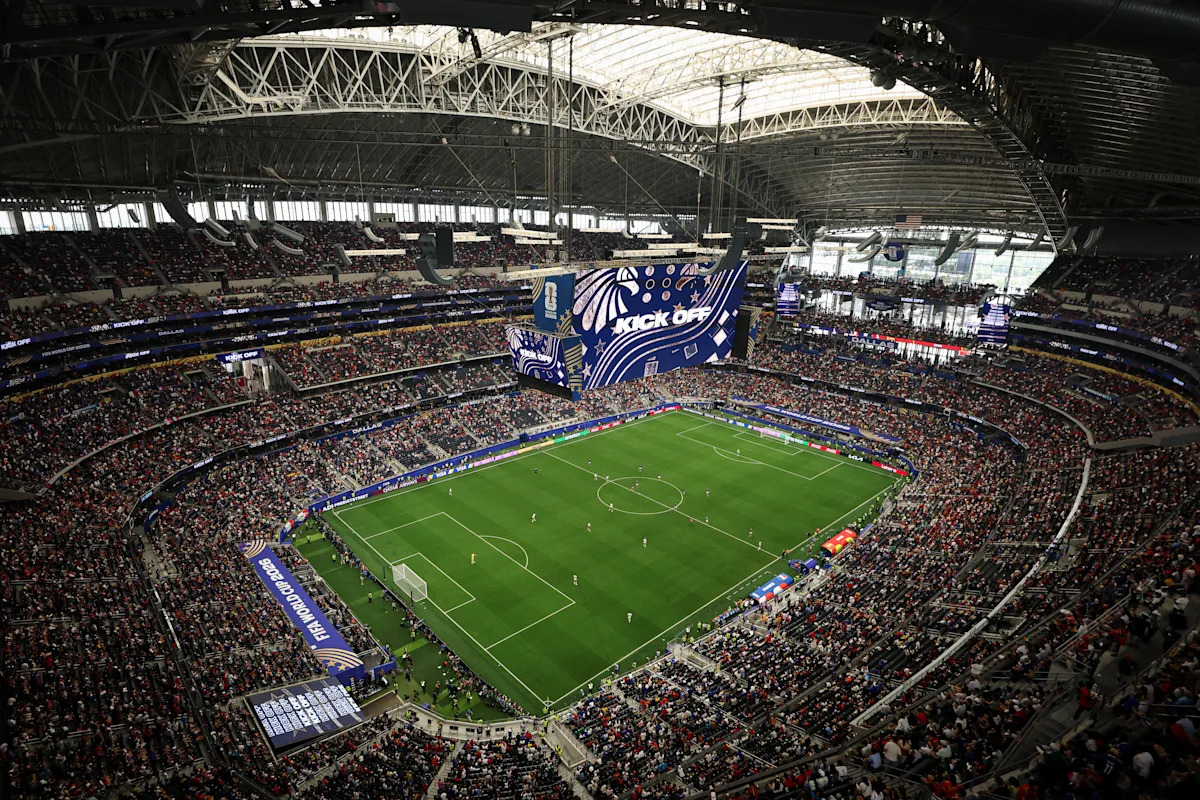
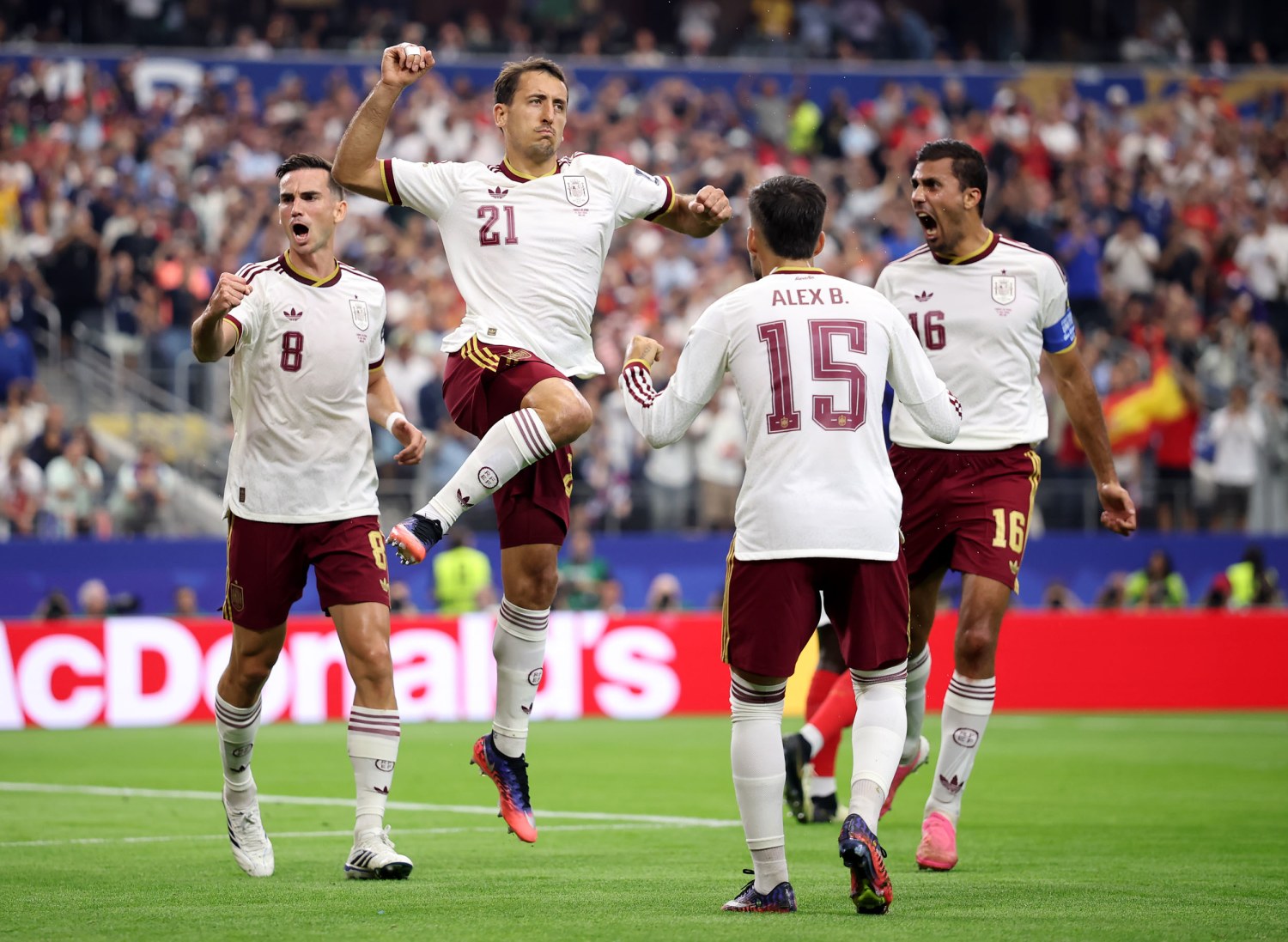
Spain moved through the tournament like a well-oiled machine. In the semi-final, La Roja dismantled France 2–0 in Dallas: a penalty from Oyarzabal in the 22nd minute and a strike from Porro in the 58th. Tellingly, Spain conceded just one goal across the entire knockout stage — not a defensive tactic, but a systemic dominance across the whole pitch.
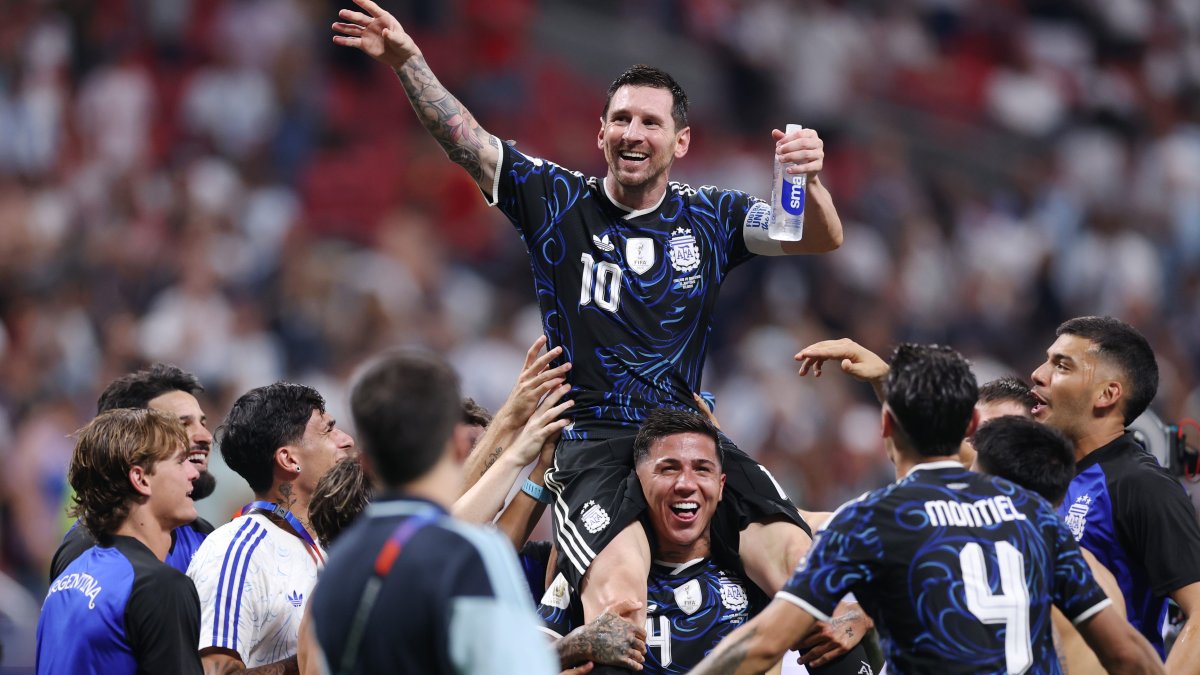
Argentina took the harder road. In the second semi-final in Atlanta, the Albiceleste fell behind after Anthony Gordon's goal in the 55th minute, but Enzo Fernández equalised in the 85th and Lautaro Martínez headed the team into the final at 90+2. Messi assisted both goals — in a match where Mac Allister hit the post twice.
The Best 8 Third-Place Rule: How the Format Changed the Tournament
The expanded 2026 World Cup format with 48 teams didn't just add matches — it changed the tournament's logic. The eight best third-place finishers in the Round of 32 meant that even teams who didn't win their group had a genuine chance to go far. It was precisely this mechanism that ensured the Round of 16 bracket formed without any "technical" mismatches — read more about this in our article "Round of 16 at the 2026 World Cup: The 48-Team Format Produced a Bracket With No Weak Ties".
Scenarios
Scenario 1 — Spain controls the game. La Roja built their attacks throughout the tournament through pressing and quick ball recovery. If Spain sets the tempo in the first 30 minutes and Argentina can't adjust in time, expect a tight match decided in Spain's favour. Conceding even one goal has consistently raised the pressure on Argentina in this tournament.
Scenario 2 — Argentina plays from behind. The Albiceleste came from behind or won after trailing three times in this knockout stage. If Spain opens the scoring but fails to double their lead before half-time, Argentina — with Messi as the conductor — are capable of turning the match around in the second half or in extra time.
Scenario 3 — Penalty shootout. Both sides have experience in decisive shootouts: Argentina won the 2022 World Cup on penalties. If the match goes to extra time, the psychological edge may lie with the Albiceleste — but Spain, since 2010, also knows what it takes to win a World Cup.
Tonight there is the third-place match between France and England in Miami (21:00 Kyiv time), where both sides will play for pride and statistics. And then on Sunday — the main game of the tournament. Watch to see whether Spain can maintain their defensive solidity against the most experienced attack on the planet. Read more about both finalists' journeys through the 48-team format in our articles "England vs Argentina: Who Will Reach the 2026 World Cup Final With 48 Teams" and "France vs Spain: The 48-Team 2026 World Cup Format Brought the Best Together in Dallas".
Photo: Sean Leahy · Editorial (source)