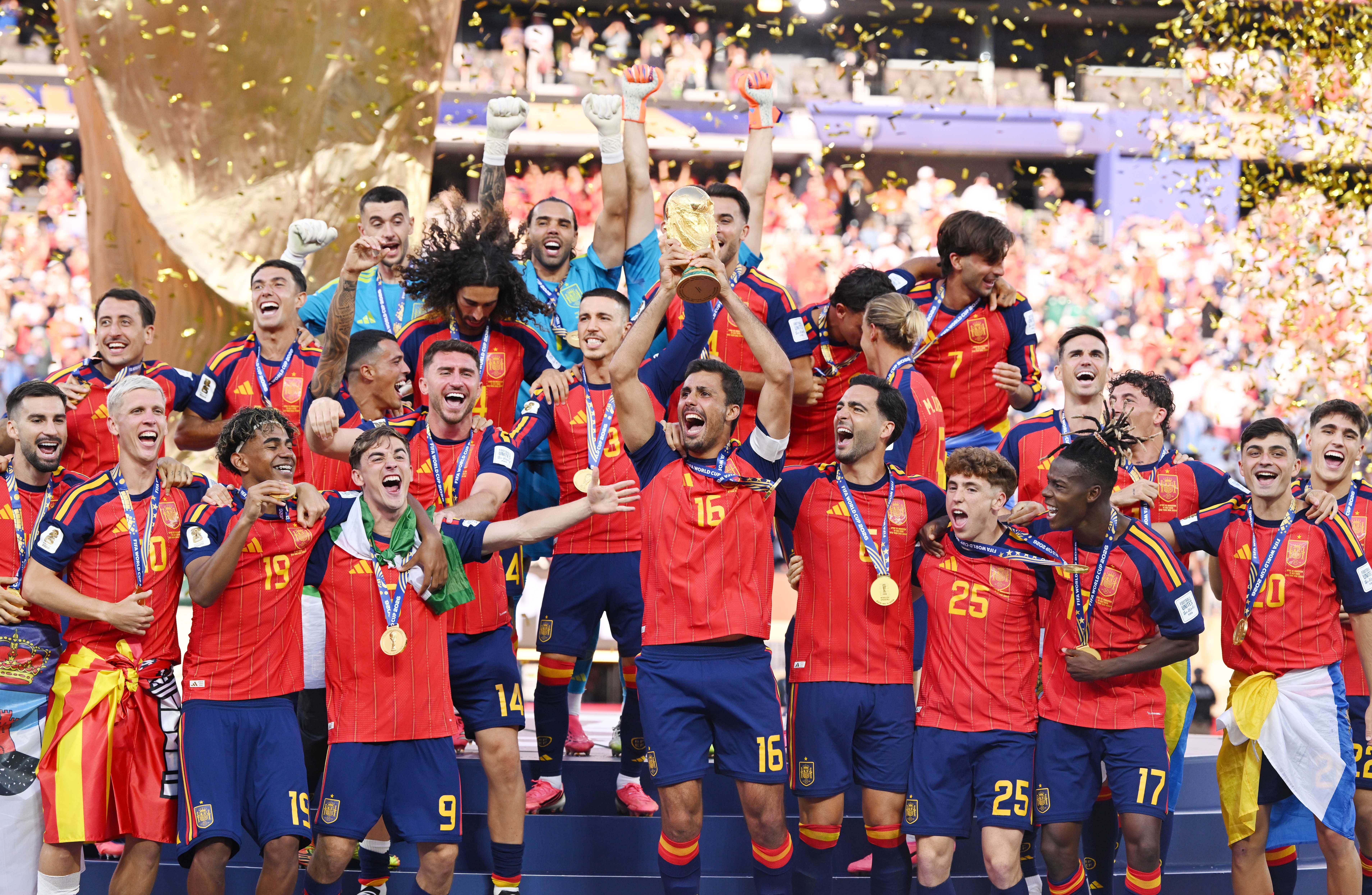
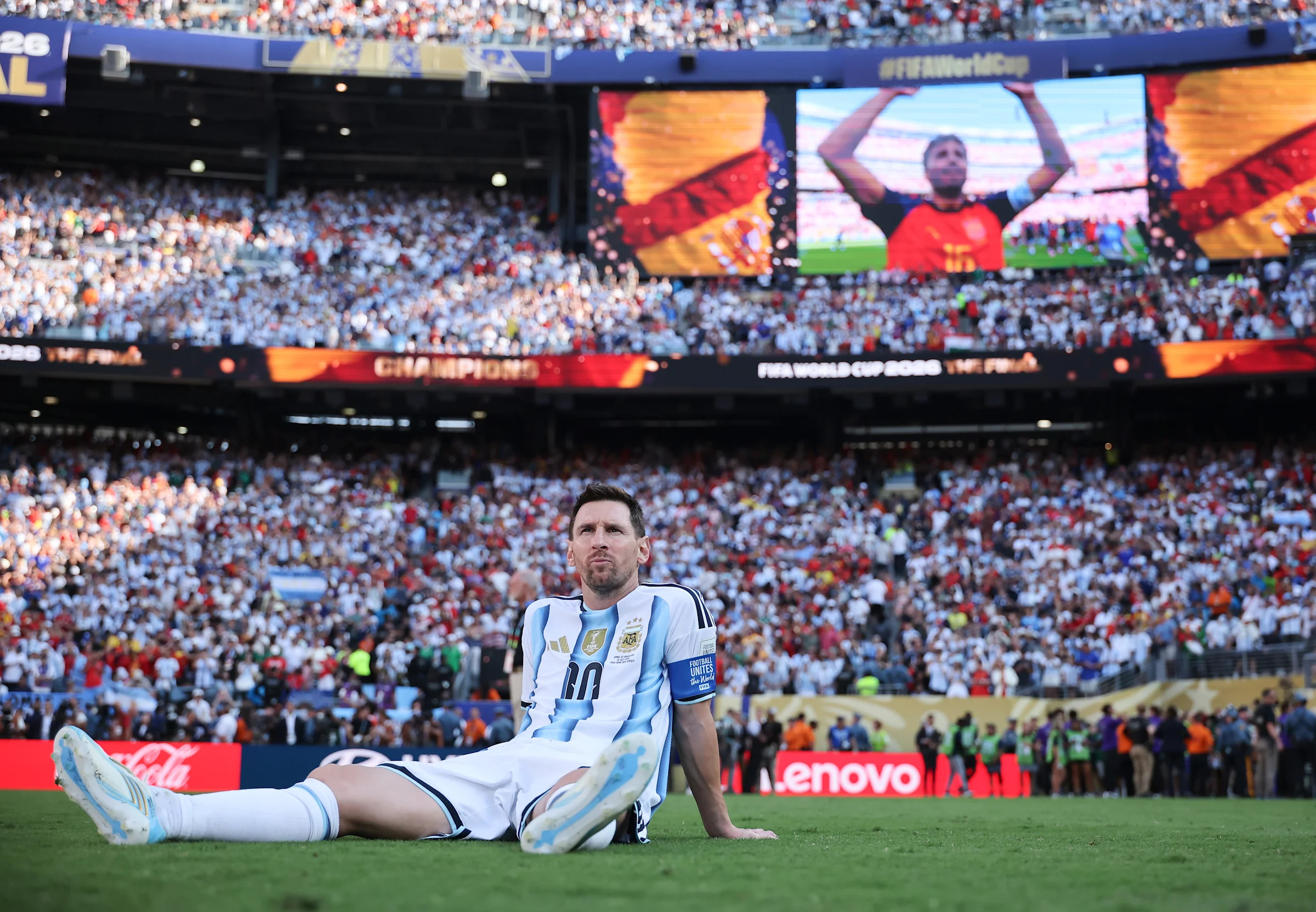
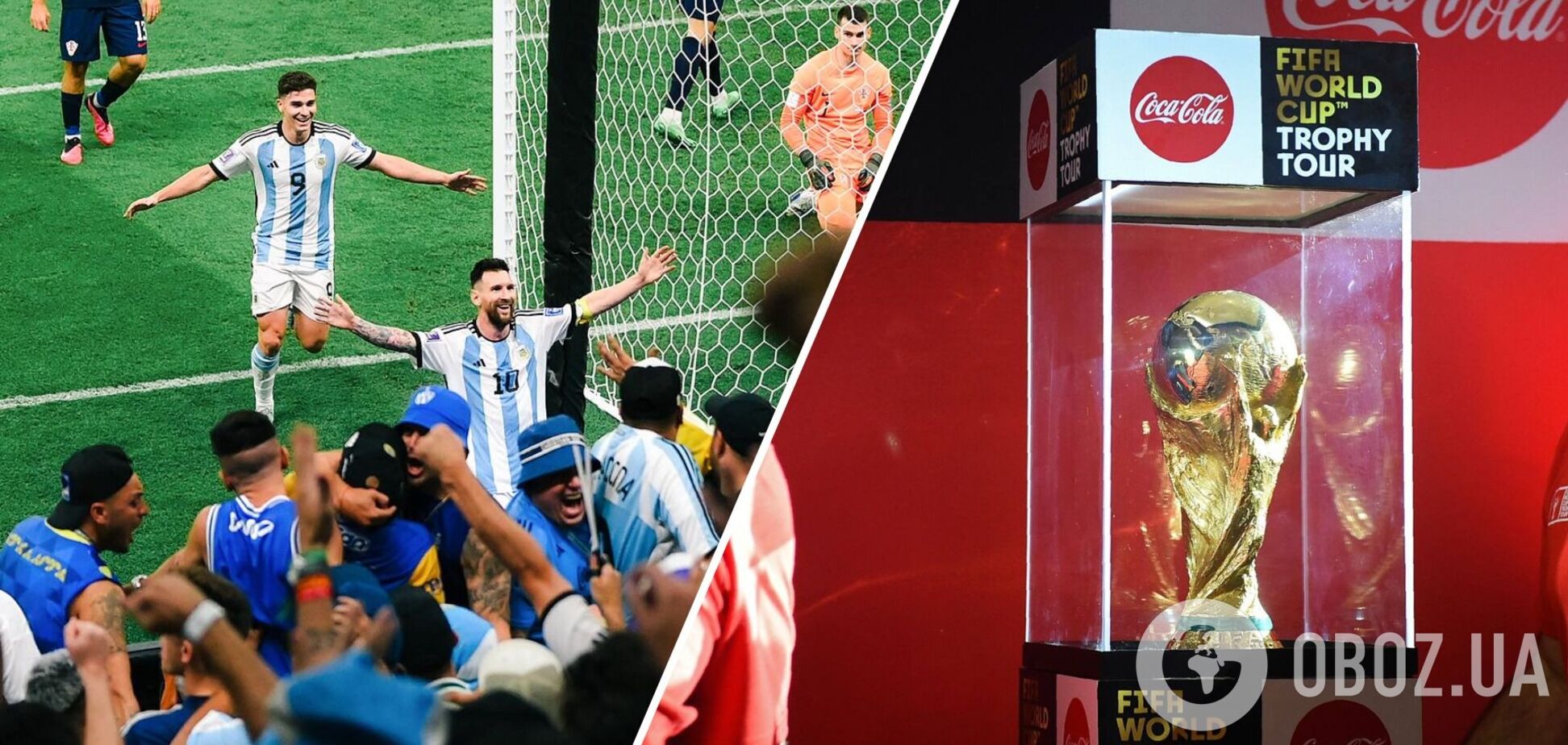
The 2026 FIFA World Cup, to be held at stadiums across the United States, Canada, and Mexico, will be the largest tournament in history — for the first time, 48 national teams will take part. The Ukrainian national team has unfortunately not yet secured its place at the tournament, but the Ukrainian league will still be represented at the 2026 World Cup — through its foreign players. Dozens of international footballers competing in the Ukrainian Premier League will represent their national teams on the world's biggest football stage.
For UPL fans, this is a unique opportunity — to follow the World Cup through familiar faces. Players you watch every week in Shakhtar, Dynamo, Metalist, or Dnipro-1 matches will take to the fields of New York, Los Angeles, Toronto, and Mexico City. This is more than a pleasant coincidence — it is proof that the Ukrainian Premier League is a competitive platform where World Cup-level players compete.
Below is an overview of the key UPL legionnaires whose national teams have qualified or have a strong chance of reaching the 2026 World Cup, along with an analysis of what their participation means for the image of the domestic championship.
Shakhtar's Brazilian Connection
Traditionally, the most prolific "supplier" of legionnaires to the World Cup is FC Shakhtar — a club that has built its identity around the Brazilian school for decades. Brazil is one of the top favorites for the 2026 World Cup, and among the candidates for its squad are several players linked to the Donetsk club.
Pedrinho — an attacking midfielder who spent part of his career in the Shakhtar system — is one of the most exciting young talents in Brazilian football. His dynamic style of play, ability to create chances, and sharpness in attack make him a valuable asset for the Seleção. If he makes the final squad, it will give UPL fans a special reason to follow Brazil's matches.
Beyond Brazilians, Shakhtar traditionally attracts players from all corners of the world. Among the club's current foreign players are representatives of African national teams — including from Ghana, Côte d'Ivoire, and Nigeria — who have a real chance of qualifying through the African zone. African teams have been allocated nine spots at the 2026 World Cup, significantly boosting the chances of players from the continent.
Dynamo and the Diversity of Nationalities
FC Dynamo Kyiv — the other top UPL club — has an extensive network of foreign players. Among the capital club's legionnaires are representatives of national teams that have already secured their place at the 2026 World Cup or are firmly on track to do so.
Particular attention should be paid to players from Croatia and other Balkan countries, which traditionally perform strongly at major tournaments. Croatia — silver medalist at the 2018 World Cup and bronze medalist at the 2022 World Cup — remains a serious force in European qualifying. If any of Dynamo's legionnaires make the Croatian squad, it will be a clear testament to the quality of preparation that the Kyiv club provides.
Equally interesting is the situation with players from Eastern Europe and the post-Soviet space. The national teams of Slovakia, the Czech Republic, and Poland — regular participants in the final stages of major tournaments — also have their representatives in the UPL. For these players, competing in the strong Ukrainian league is an important argument when it comes to national team selection.
Second-Tier Clubs: Unexpected "Ambassadors"
The UPL's presence at the World Cup is not limited to the big clubs. Metalist 1925, Dnipro-1, Vorskla, Oleksandria, and other league clubs also have players in their squads who represent national teams from various continents. This fact is particularly telling: foreign footballers choose Ukraine not only for the top clubs, but for the opportunity to play in a competitive championship overall.
Among these players are representatives of African, Latin American, and Asian national teams. For some of them, the UPL has served as a springboard: after joining a second-tier Ukrainian club, their quality performances earned them national team call-ups, and they now have a chance to reach the 2026 World Cup. This is the true "export" of the UPL to the World Cup — not just through the top clubs, but through the entire ecosystem of the league.
What This Means for the UPL's Image
The presence of UPL legionnaires at the World Cup is not merely a statistical fact. It is a powerful marketing and reputational signal to the entire football world. When a player competing in the Ukrainian league takes to the World Cup pitch and delivers quality football, scouts, agents, and clubs from around the world take notice: where did he play? What league developed him?
Before the war, the UPL already had a reputation as one of the most interesting championships in Eastern Europe. Despite all the difficulties caused by Russia's full-scale invasion, the Ukrainian league continues to operate, attract foreign players, and demonstrate a competitive level. The performance of legionnaires at the 2026 World Cup will be an additional argument that the UPL is a serious league with serious players, not a backwater of world football.
Beyond the reputational dimension, there is also a practical one: a successful World Cup showing by legionnaires increases their transfer value, which directly benefits Ukrainian clubs. If a player bought for a nominal two million euros is worth five after a standout 2026 World Cup — that is a real financial gain for the club and for the league as a whole.
There is yet another dimension — recruitment. The fact that strong foreign players choose the UPL demonstrates the league's appeal to agents and footballers. The 2026 World Cup could serve as an additional incentive for new legionnaires to consider Ukraine as an option: if World Cup-level players compete here, the league's standard must be up to scratch.
Conclusion: The UPL at the World's Greatest Football Festival
The 2026 World Cup is not just a tournament for national teams. It is a cross-section of global club football: through the players who represent their countries, we see which leagues and clubs are shaping modern football. And the Ukrainian Premier League will be part of that cross-section — through its legionnaires, through the players it has welcomed, developed, and sent on to the highest stage.
For UPL fans, this is a reason to be proud. Even if the Ukrainian national team does not make it to the 2026 World Cup — and the fight for qualification is still ongoing — our league will be there regardless. In every match where a player you know from the Ukrainian championship takes the field, there will be a piece of our football. And that matters — no less than goals and victories.
Follow the UPL legionnaires at the World Cup with Nochnoy Mondial — we will cover each of them in detail once the final national team squads for the tournament in the USA, Canada, and Mexico are announced.