The 2026 FIFA World Cup will be the first held under the new expanded format — instead of the usual 32 teams, 48 national teams will participate. This is the biggest structural reform in the tournament's history, approved by FIFA back in 2017.
Group Stage: 12 Groups of Four Teams
In the first stage, 48 teams are divided into 12 groups of four. Each team plays three matches within its group. The top two teams from each group advance to the next round, along with the eight best third-placed teams — making 32 participants in the knockout stage in total.
Knockout Stage: Round of 32 to the Final
From the Round of 32 onward, the tournament switches to a single-elimination format. The bracket is structured as follows:
- Round of 32 — 32 teams, 16 matches
- Round of 16 — 16 teams, 8 matches
- Quarter-finals — 8 teams, 4 matches
- Semi-finals — 4 teams, 2 matches
- Third-place match and Final
In total, the tournament features 104 matches — compared to 64 at previous World Cups.
Where the Tournament Takes Place
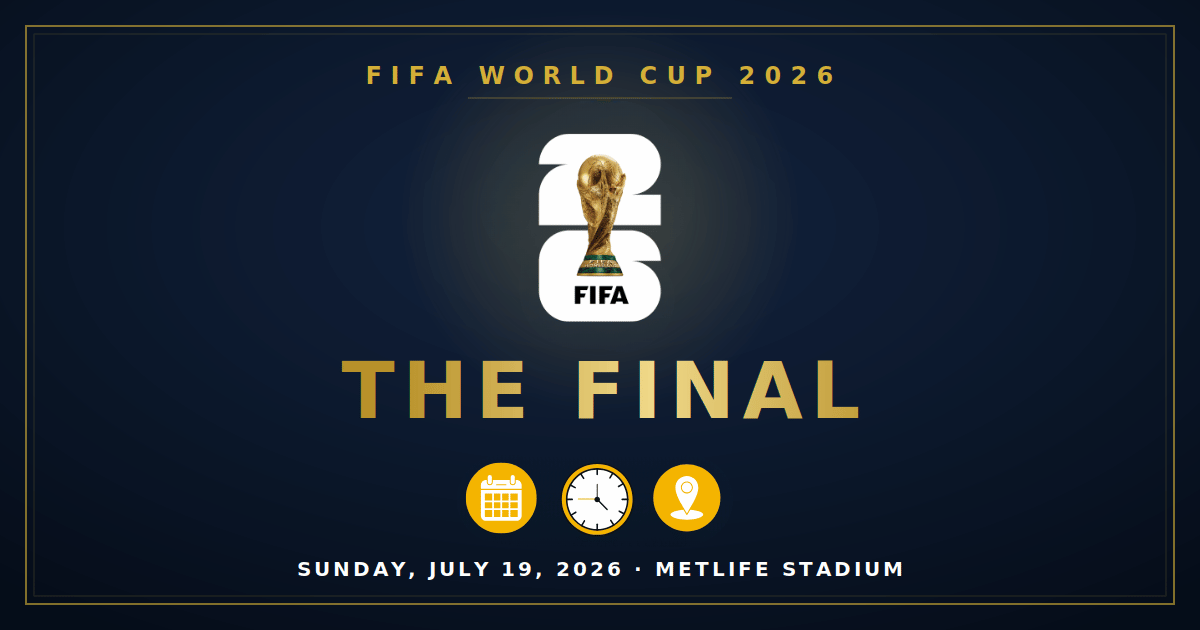
The 2026 World Cup will for the first time in history be hosted by three countries simultaneously: the USA, Canada, and Mexico. Matches are spread across 16 stadiums in 16 cities. Most games, including the final, will be held on American soil. This scale reflects the increased number of teams and matches.
Advantages and Criticism of the New Format
Supporters of the expansion point to broader representation from different regions of the world — Africa, Asia, CONCACAF — and growing commercial interest in the tournament. Critics, however, warn that the increased number of matches puts greater strain on players, and that group-stage games may lose intensity given the higher number of teams advancing.
Summary
The 48-team format marks a new chapter in the history of world football. It makes the tournament more accessible to a greater number of teams and fans, while also posing new challenges for organizers and players alike. The 2026 World Cup will serve as the ultimate test drive for this ambitious reform.