The 2026 World Cup format with 48 teams and its rules are more than just a headline figure: for the first time in the tournament's history, 48 national teams from six confederations are competing for a single trophy across the United States, Mexico, and Canada. To navigate this massive competition, it is worth understanding both the structure of the tournament and the current balance of power among the participants.
How the 48-Team Format Works at the 2026 World Cup
Starting with this edition, the World Cup has expanded to 48 teams — 16 more than at the previous seven tournaments. The 48 teams are divided into 12 groups of four (Groups A–L). Each team plays three matches in the group stage — one against each opponent in their group. The total number of matches has increased from 64 to 104, and the tournament's duration has grown from 32 to 39 days. For more details on the competition structure, see the article "2026 World Cup Format: 48 Teams — How It Works in Practice".
12 Groups of 4: Who Advances to the Knockout Stage
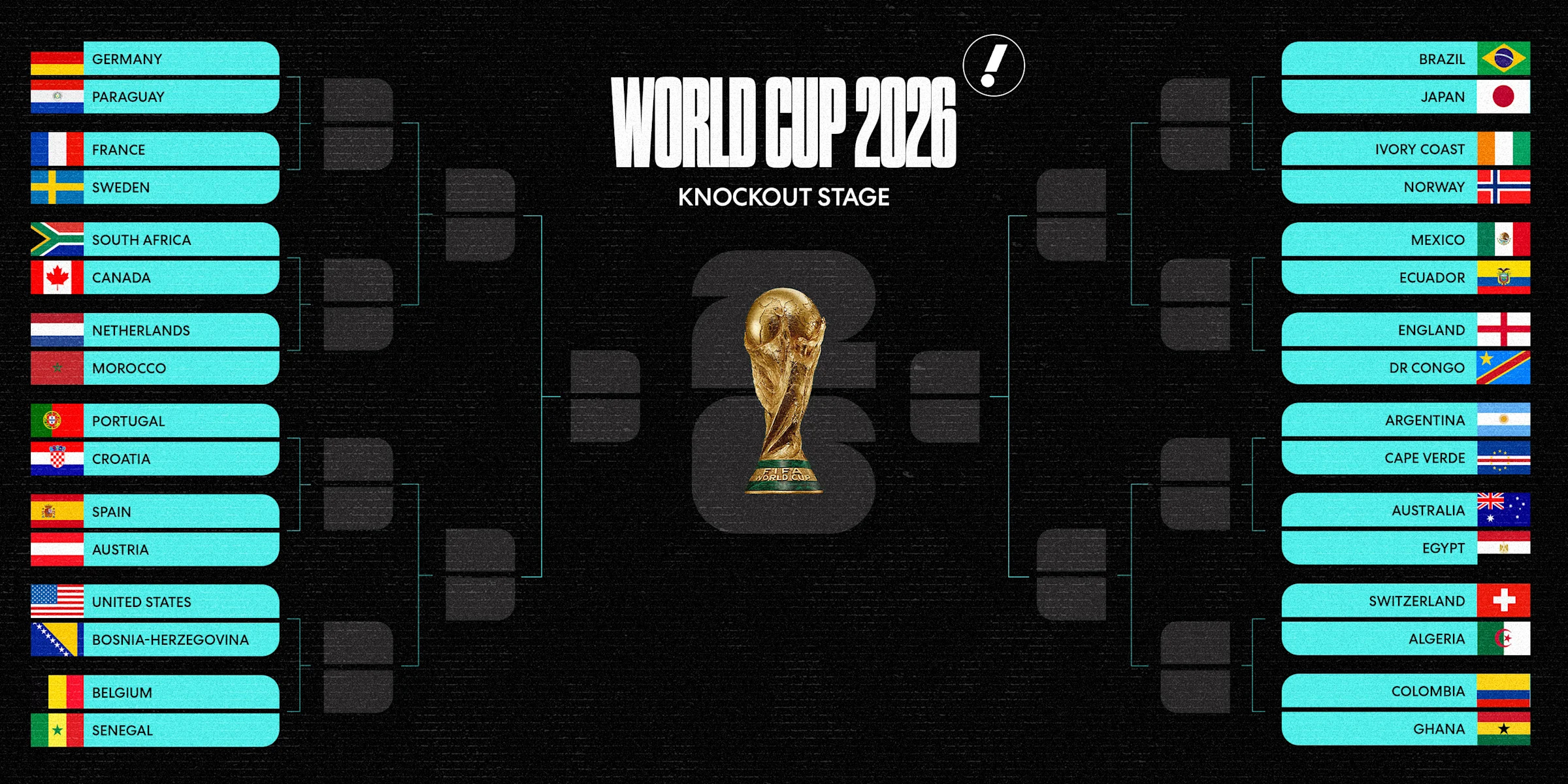
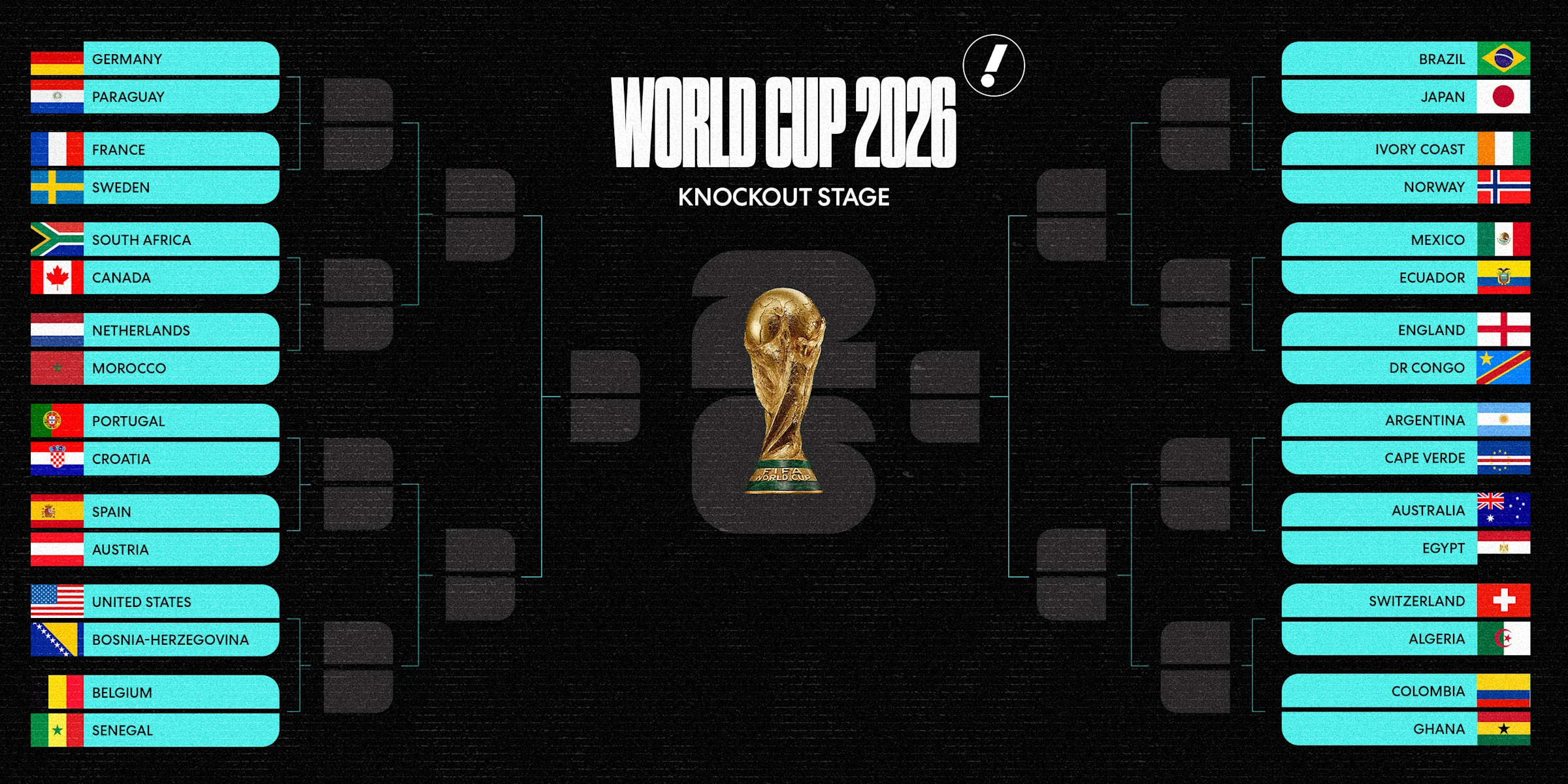
The top two teams from each group advance automatically to the Round of 32 — that is 24 teams. An additional 8 best third-placed teams from across all groups also advance to the knockout stage, bringing the total to 32 teams. This is an entirely new round that has never existed at a World Cup before: in the previous format, the knockout stage began directly at the Round of 16. For more on the post-group playoff, see the article "2026 World Cup: 48-Team Format — How the Knockout Stage Works After the Groups".
The Best 8 Third-Place Teams Rule
Of the 12 teams that finish third in their groups, only 8 continue in the competition. Selection is made using the following sequence of criteria: points, goal difference, goals scored, fair play record, and only in the event of a complete tie — a draw. As a result, even a single group-stage win can theoretically secure a place in the knockout stage, although four third-placed teams will still be eliminated.
Official FIFA Rankings: Top 10 Teams at the 2026 World Cup
The last official FIFA ranking update took place on June 11, 2026 — on the eve of the tournament's start. The next scheduled update is July 20, 2026. According to ESPN and the official FIFA website, the top ten looks as follows:
- Argentina — the reigning world champions top the rankings. Messi scored a hat-trick in the opening match against Algeria (3–0), equalling Miroslav Klose's record for goals scored at World Cups (16).
- Spain — winners of Euro 2024, featuring Lamine Yamal, Pedri, Rodri, and Dani Olmo. They started with a goalless draw against Cape Verde but convincingly thrashed Saudi Arabia.
- France — Kylian Mbappé and Ousmane Dembélé are leading the "Les Bleus" to the top: Dembélé scored a hat-trick in the match that secured France first place in their group.
- England — finished top of their group, although performances against Ghana and Panama were less convincing than their win over Croatia.
- Portugal — drew 1–1 with DR Congo in their opening match, casting doubt on Ronaldo's role in the starting lineup.
- Brazil — five-time champions under Carlo Ancelotti started with a draw against Morocco but then found their form.
- Netherlands — thrashed Sweden 5–1 in the second round, confirming their status as one of the favourites.
- Germany — opened with a 7–1 demolition of Curaçao but suffered a defeat to Ecuador in the final group match due to a Neuer error.
- Morocco — Africa's leaders, who reaffirmed their status following the 2022 World Cup.
- Belgium — advanced from their group and qualified for the Round of 32.
Pleasant Surprises of the Tournament
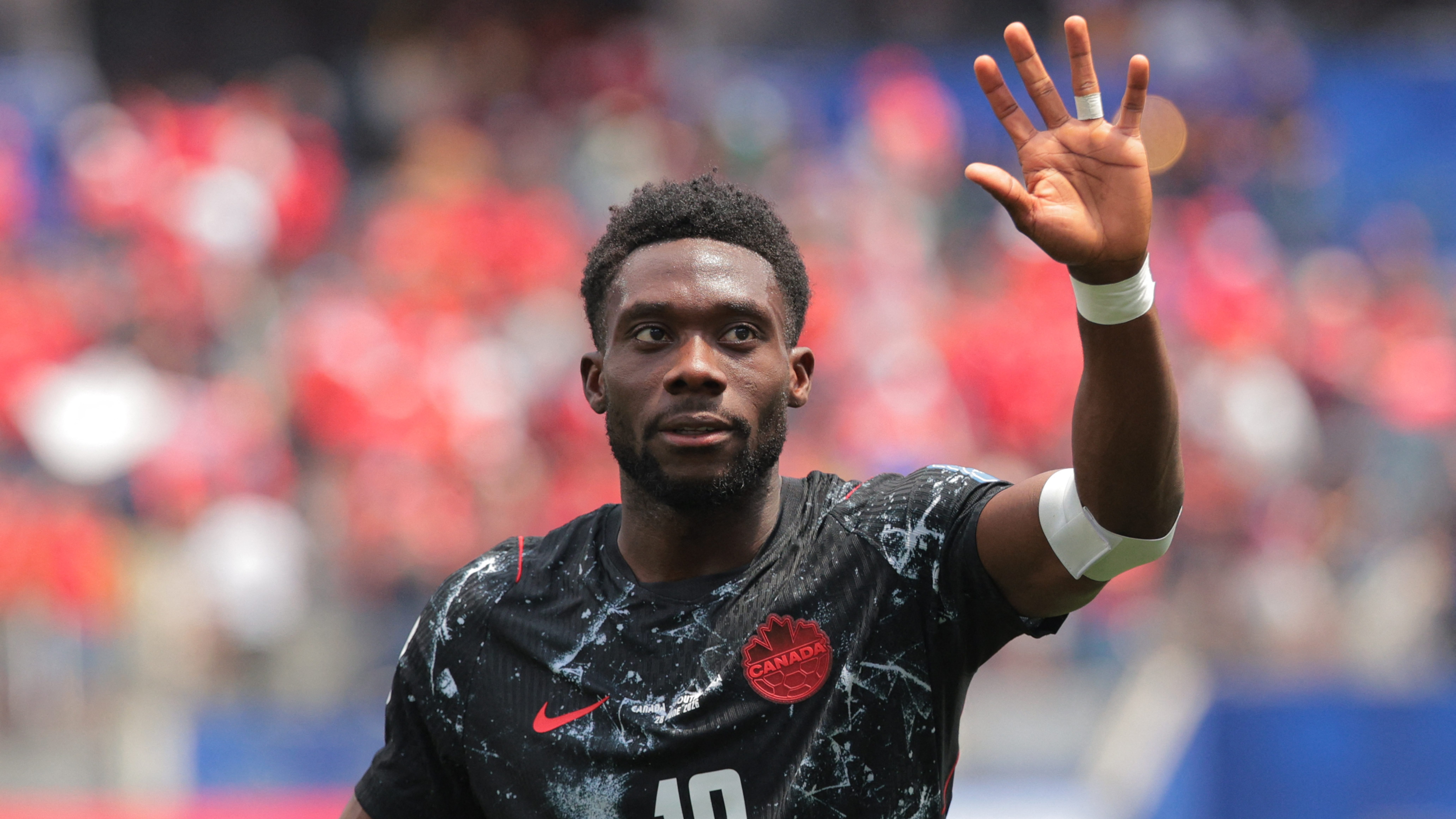
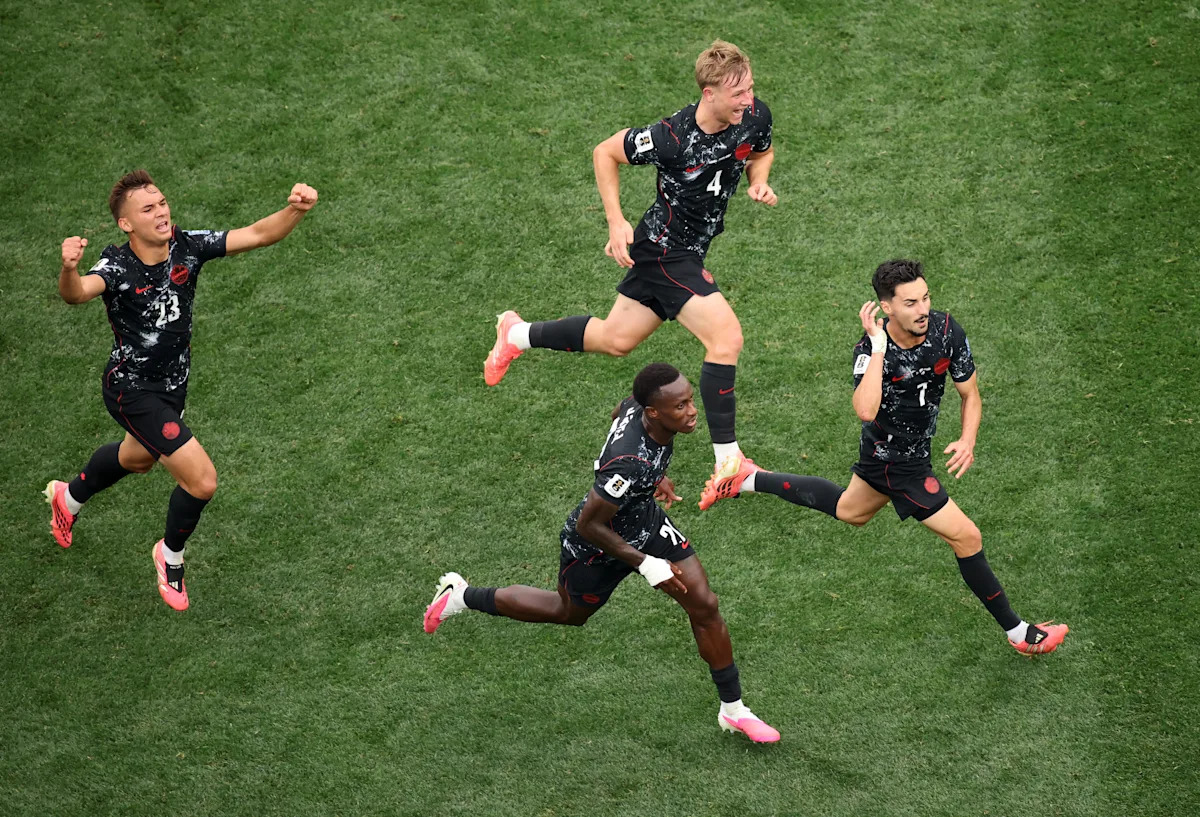
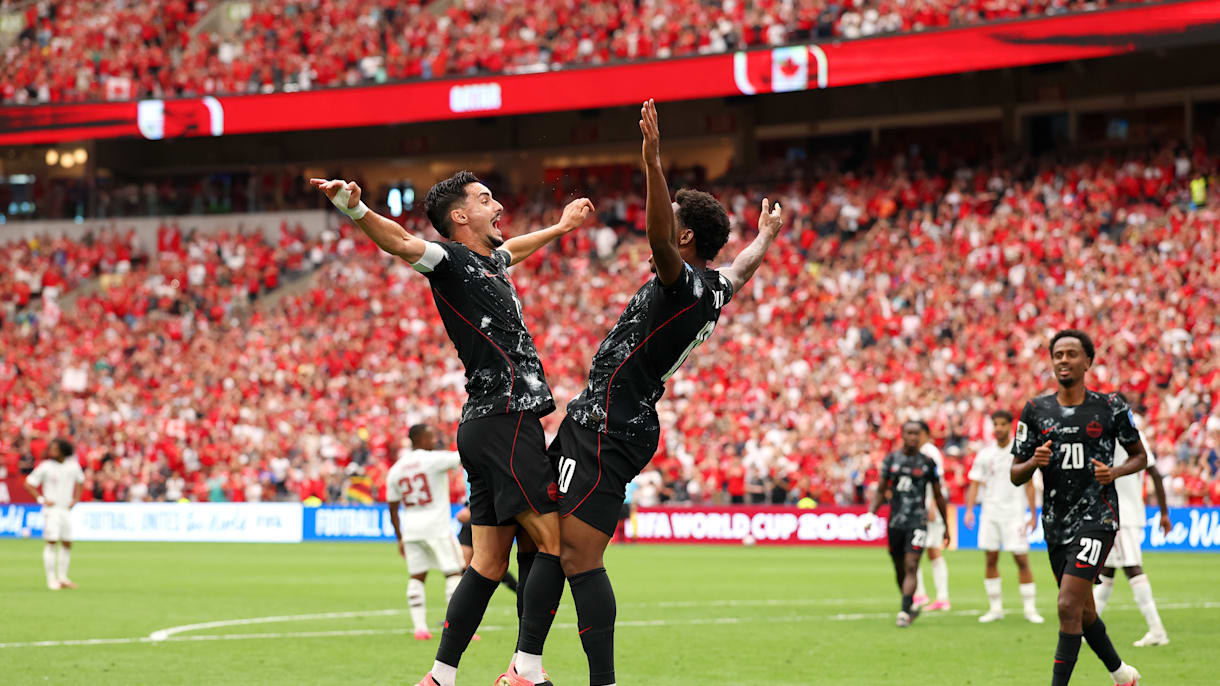
Cape Verde were the biggest sensation of the group stage: the debutants from Group H picked up points against Spain, Uruguay, and Saudi Arabia, finishing second — ahead of Uruguay. In their final match against Saudi Arabia, the "Blue Sharks" had 15 shots on goal and deservedly advanced to the Round of 32, where they will face Argentina. Curaçao — the smallest nation in World Cup history — stunned with a draw against Ecuador: goalkeeper Ruum made 15 saves, equalling Tim Howard's record. Canada advanced from the group stage for the first time in their history and progressed to the Round of 32, where in a dramatic match they beat South Africa thanks to a late goal from Eustaquio.
Disappointments of the Group Stage
Tunisia suffered the most high-profile collapse: head coach Lemaouche was sacked after just the first match (a 1–5 defeat to Sweden) — the first time in tournament history. His successor Hervé Renard could not stop the rot: defeats of 0–4 to Japan and 1–3 to the Netherlands followed. Uruguay under Marcelo Bielsa unexpectedly crashed out of a group that also contained Spain, Cape Verde, and Saudi Arabia. South Korea lost to Mexico and South Africa after beating the Czech Republic, with the coach leaving Son Heung-min on the bench in the decisive match. Uzbekistan under Fabio Cannavaro put in one of the worst performances of all 48 teams: a goal difference of −9 and just 18 touches in the opponent's penalty area across the entire group stage.
Geography of Participants: New Faces at the 2026 World Cup
The expansion to 48 teams has significantly changed the tournament's geographical map: Africa received 9 places (up from 5), Asia — 8 (up from 4.5), CONCACAF — 6 (up from 3.5). Among the debutants are Cape Verde, Curaçao, Jordan, and Uzbekistan. Austria, Norway, and Scotland (last participating in 1998) returned after long absences, as did Iraq (1986) and DR Congo and Haiti (1974). Italy, meanwhile, missed the tournament for the fourth consecutive time — the first time in history that a former champion has missed three World Cups in a row. Read about the tournament's opening and the start of the Mundial in the report "World Cup 2026 Kicks Off: Mexico Opens the Mundial, Messi in Doubt".
See also: Groups F and E: Who Is Leading After the First Round and What Is at Stake Tonight
Photo: NBC News · Editorial (source)