The 2026 World Cup's 48-team format has run its full course — from 12 group-stage quartets down to two finalists. This Sunday, July 19 at 22:00 Kyiv time, Spain and Argentina will meet at MetLife Stadium in New Jersey. Before that, tonight, France and England will contest the bronze medal in Miami. Tournament logic has sorted everything out — and an analysis of both finalists' paths offers clear clues about what to expect from the decisive match.
How the 48-team format works at the 2026 World Cup
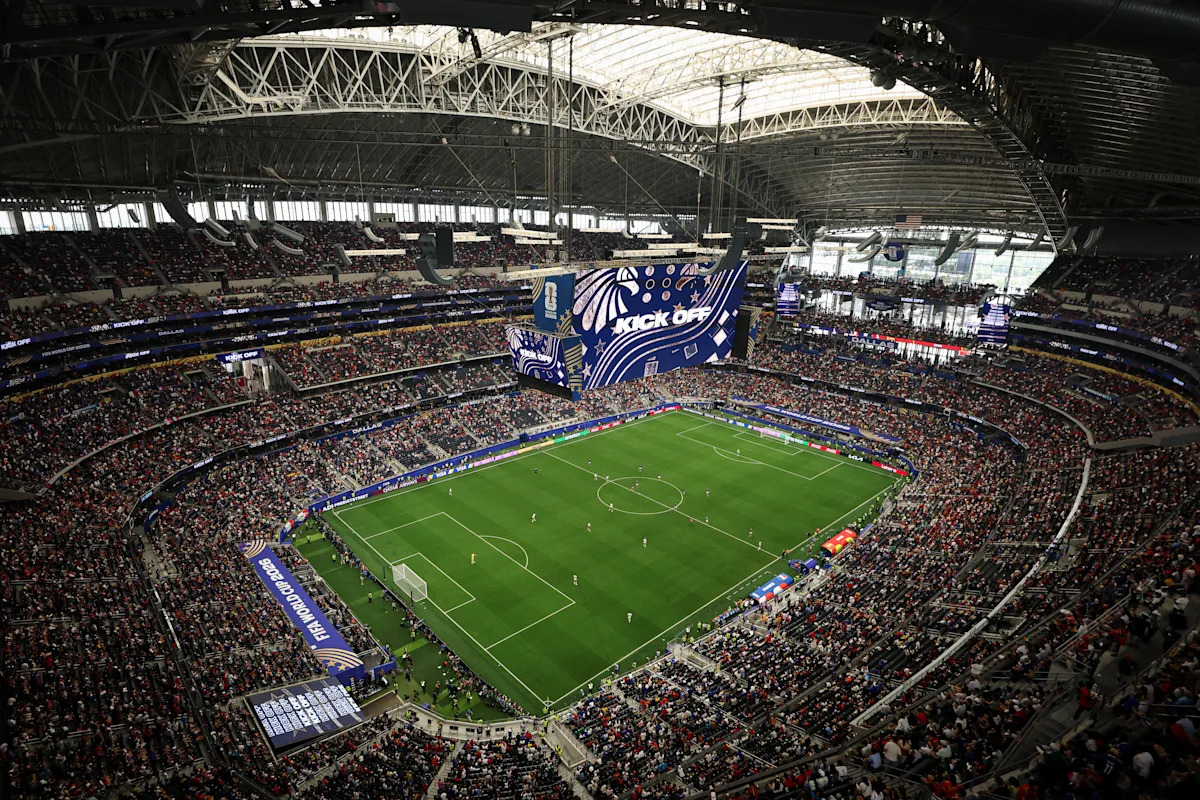
This World Cup was the first in history to feature 48 national teams, split into 12 groups of four. The top two teams from each group advanced to the knockout stage, along with the eight best third-placed sides — making 32 participants in the round of 16 in total. The tournament covered a record 104 matches over 39 days. The expanded format allowed teams such as Norway, Morocco, and Paraguay to go further than expected — and it was precisely this format that produced an unpredictable knockout bracket with no obviously "easy" ties.
12 groups of 4: who advanced and how they reached the final
Spain went through the tournament unbeaten: Austria (3:0) in the round of 16, Portugal (1:0) in the round of 8, Belgium (2:1) in the quarter-finals, and France (2:0) in the semi-finals. Their unbeaten run stretched to 37 matches — a record that equals Italy's achievement from 2018–2021. Spain combines possession dominance with the tournament's most solid defence: no team scored more than one goal against them in a single match throughout the entire 2026 World Cup.
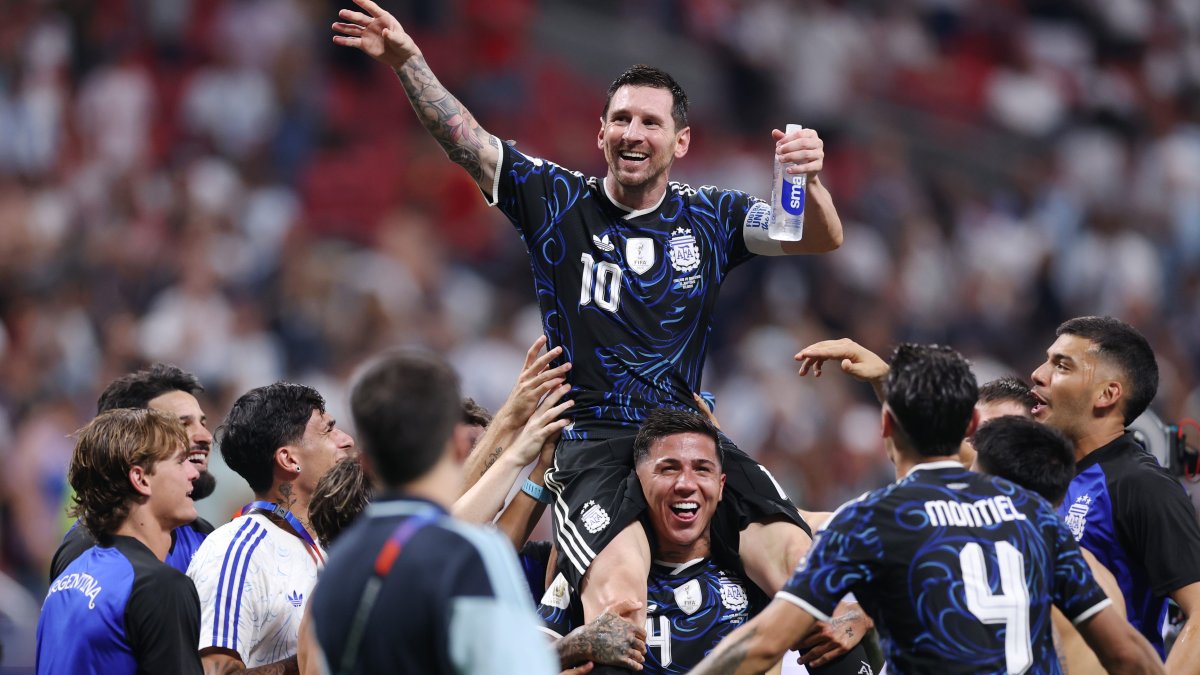
Argentina took a different route — through nerves and comebacks. In the semi-final against England, Scaloni's side were trailing 0:1 until the 85th minute. Enzo Fernández equalised, and Lautaro Martínez completed yet another comeback win at 90+2 — 2:1. This is not the first time the reigning champions have followed such a script at this tournament: Argentina have shown a remarkable ability to win matches decided in the final minutes. That England vs Argentina match was the most dramatic of the entire knockout stage.
The best-8 third-place rule: how the format shaped the bracket
The expanded format with eight best third-placed teams proved to be the key architectural decision of the 2026 World Cup. It kept teams in the competition that hadn't won their group but had shown sufficient quality — and because of it, the round of 16 had no "technical" ties. The three host nations — Canada, Mexico, and the United States — were all eliminated in the round of 16, confirming that the expanded format doesn't shield teams from quality competition; it simply increases its density. A more detailed breakdown of how the 48-team format shaped a round of 16 with no weak ties was published earlier.
Scenarios
- Spain controls the game and wins in normal time. The most likely scenario based on tournament statistics: La Roja imposes their tempo through pressing and short passing, while Argentina cannot get their counter-attacks going. Spain claim their first World Cup title since 2010.
- Argentina survive and decide it in extra time or a penalty shootout. If Scaloni manages to close down space and keep the score level until the 75th minute, Argentina will have a chance for their trademark comeback. Messi, with two assists in the semi-final, shows that decisive moments are his natural habitat.
- A draw after 90 minutes and a penalty shootout. Bookmakers rate "under 2.5 goals" as the most likely outcome — both teams have suffered more than dominated in the knockout stage. A goalless or minimal draw after normal time fits perfectly within the logic of both styles.
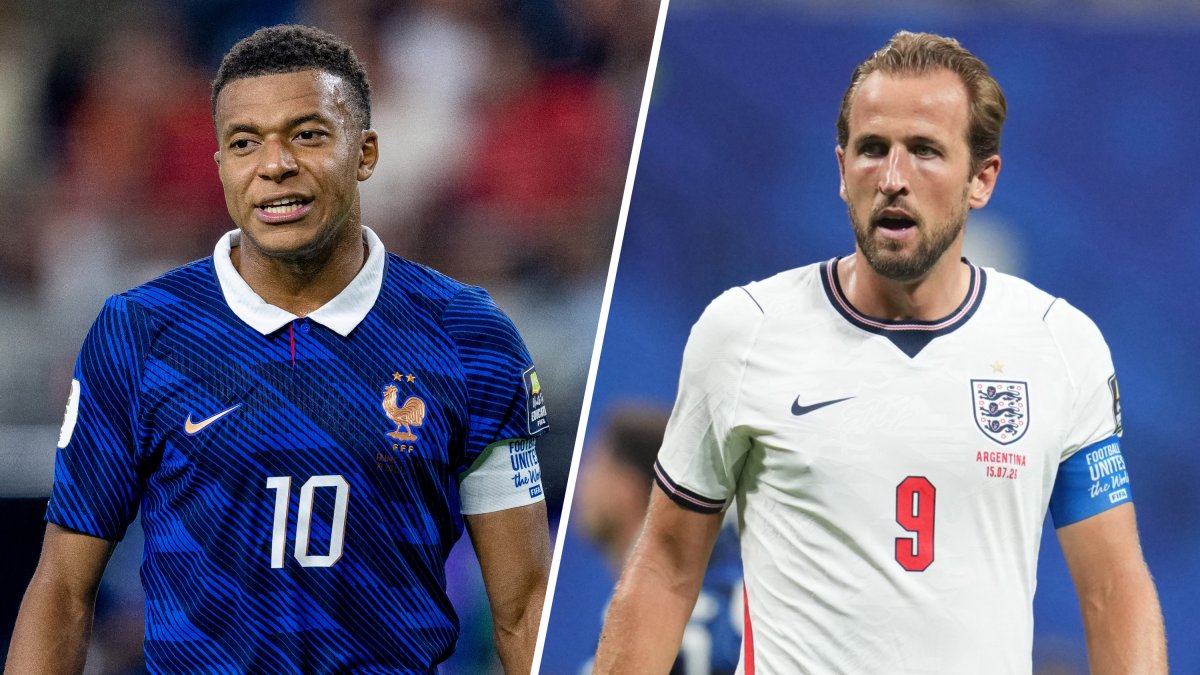
Tonight, ahead of the final, it is well worth watching the third-place match between France and England (22:00 Kyiv time in Miami): it will show whether Mbappé can redeem himself after the defeat to Spain, and will provide the last tactical material before Sunday. The Spain vs Argentina final is not just the conclusion of a tournament — it is a test of two opposing footballing philosophies: systemic solidity against individual genius. Read our in-depth analysis of the final showdown in our piece Spain vs Argentina: the 48-team 2026 World Cup final will decide everything.
Photo: via worldcuppass.com · Editorial (source)