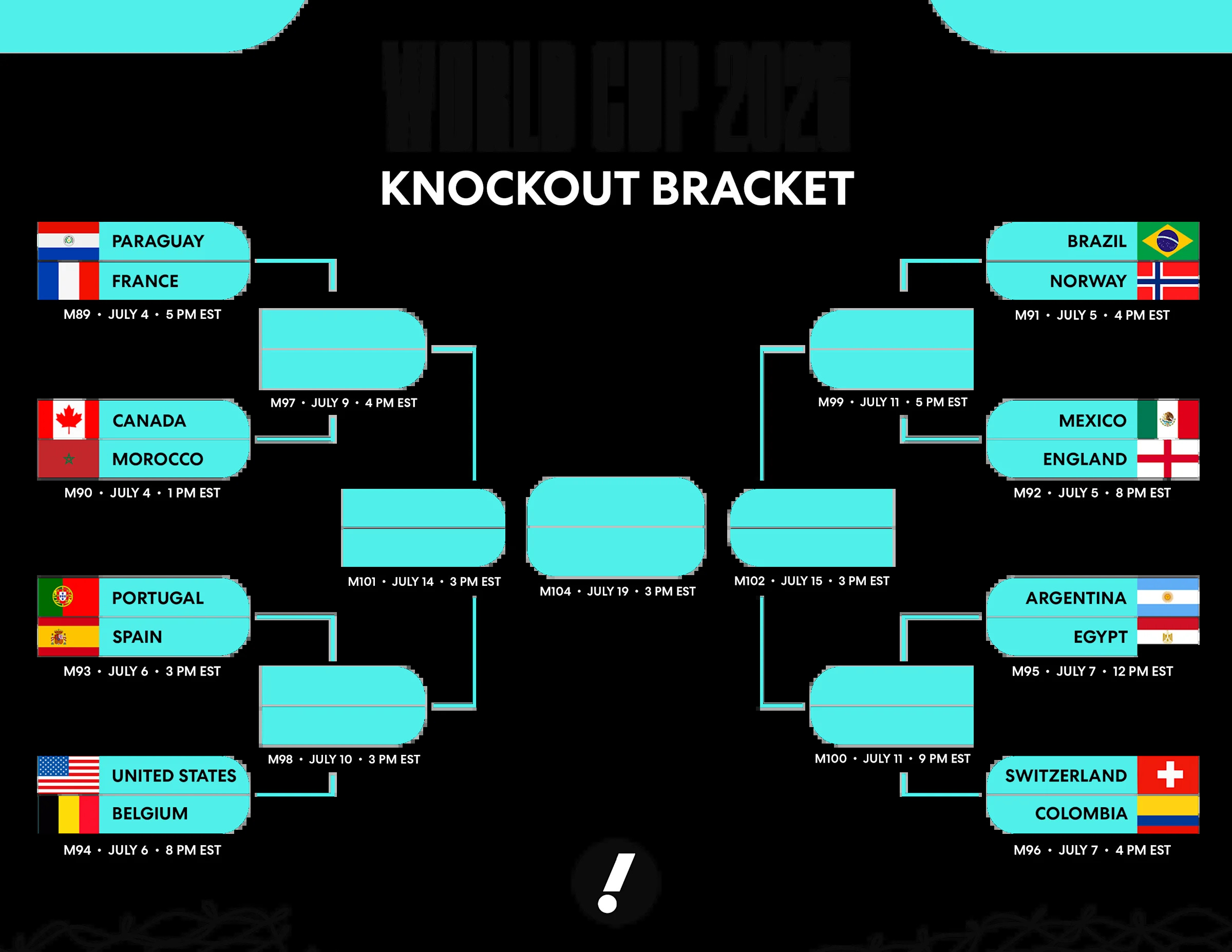
The quarter-final stage of the 2026 World Cup is over — and it has left behind arguably the most prestigious semi-final line-up in the tournament's history. France, Spain, England and Argentina are the four nations still fighting for the trophy. Remarkably, for the first time at a World Cup, all four teams that occupied the top spots in the FIFA rankings at the start of the tournament have simultaneously reached the final four. The 48-team World Cup 2026 format and its rules together created the conditions in which the strongest sides truly went the furthest.
How the 48-team format works at the 2026 World Cup
The 2026 World Cup is the first edition of the tournament ever held with 48 participants. Previously, from 1998 to 2022, the competition was played in a 32-team format. This time, 48 nations were split into 12 groups of four, and the total number of matches reached a record 104 — with the tournament spanning 39 days. It was precisely this expanded format that allowed teams such as Paraguay, Morocco and Egypt to advance beyond the group stage and produce genuine upsets in the knockout rounds.
12 groups of 4: who advances to the knockout stage
From each group, the top two teams progressed to the round of 32, along with the eight best third-placed sides. In this way, 32 teams entered the knockout phase — and the classic single-elimination format began. It was at this stage that Brazil fell (to Norway), the Netherlands were eliminated (by Morocco) and Germany went out (to Paraguay on penalties). For more detail on how the bracket took shape after the group stage, read our article Round of 16 at the 2026 World Cup: the 48-team format produced a bracket with no easy ties.
The rule of the 8 best third-placed teams
The mechanism for selecting the eight best third-placed teams was one of the key storylines of the group stage at this World Cup. Paraguay, for example, advanced from their group as a third-placed side and went all the way to the quarter-finals, where they were only stopped by France in a penalty shootout. This format is explained in detail in our article World Cup 2026: the 48-team format — how the knockout stage works after the groups.
Match breakdown: what happened in the quarter-finals
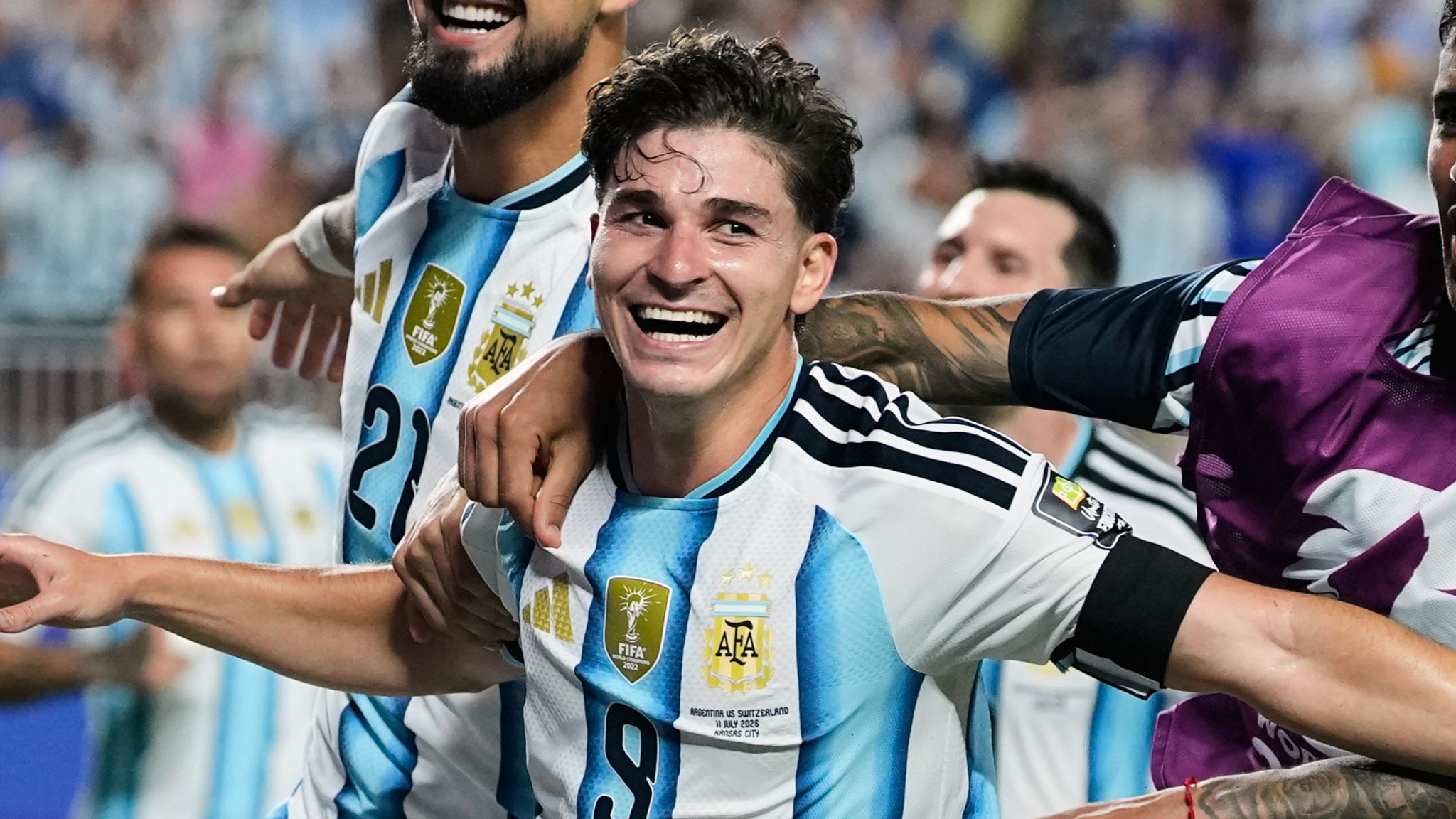
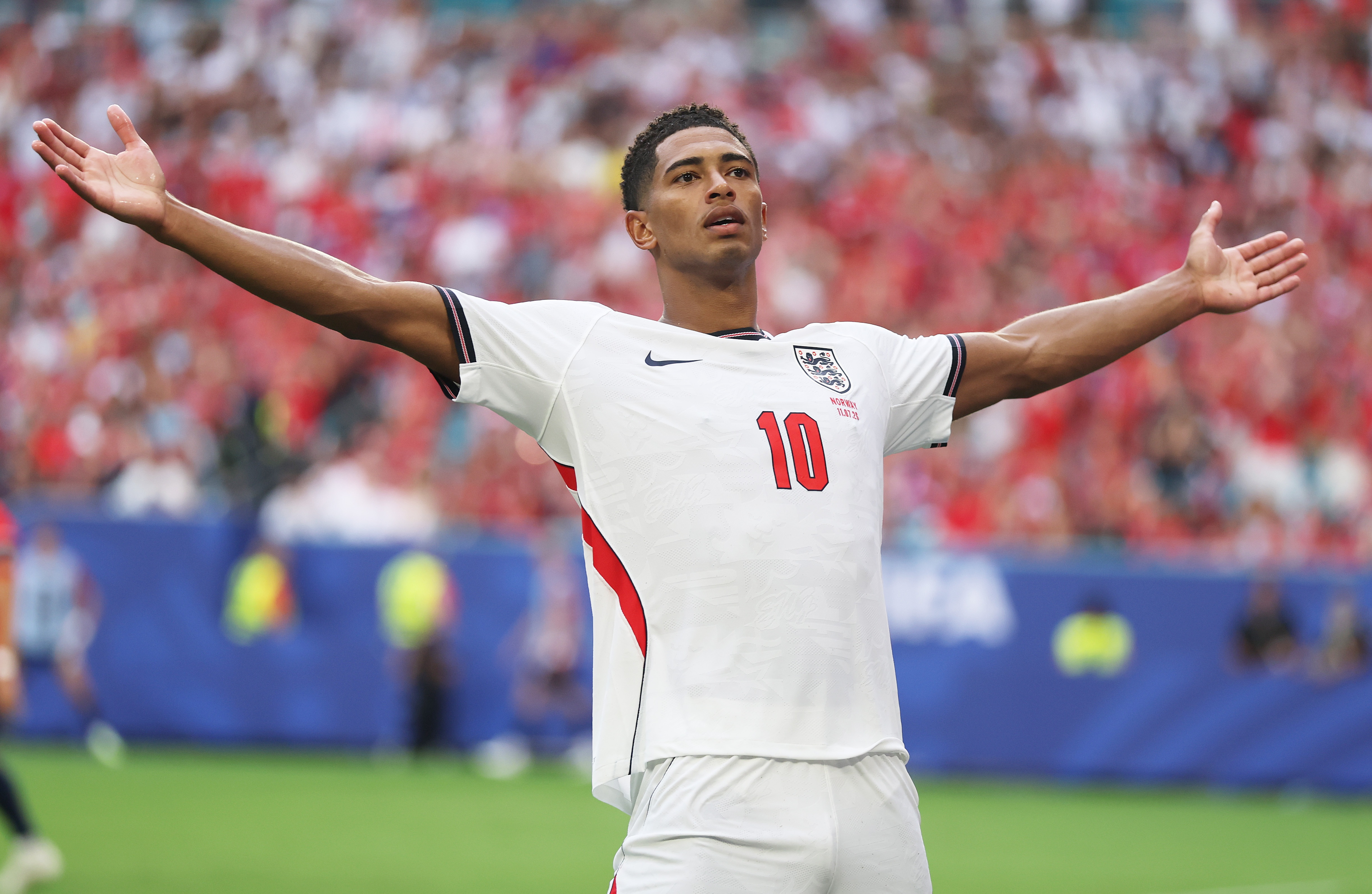
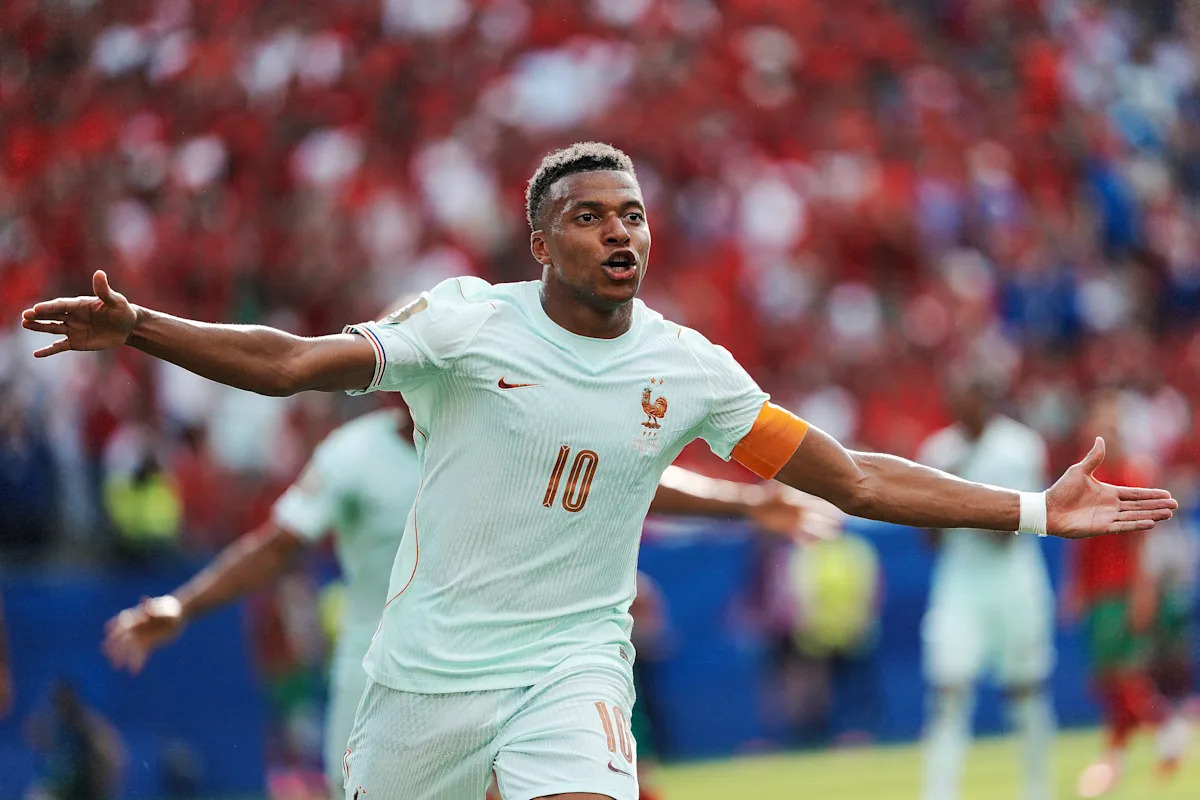
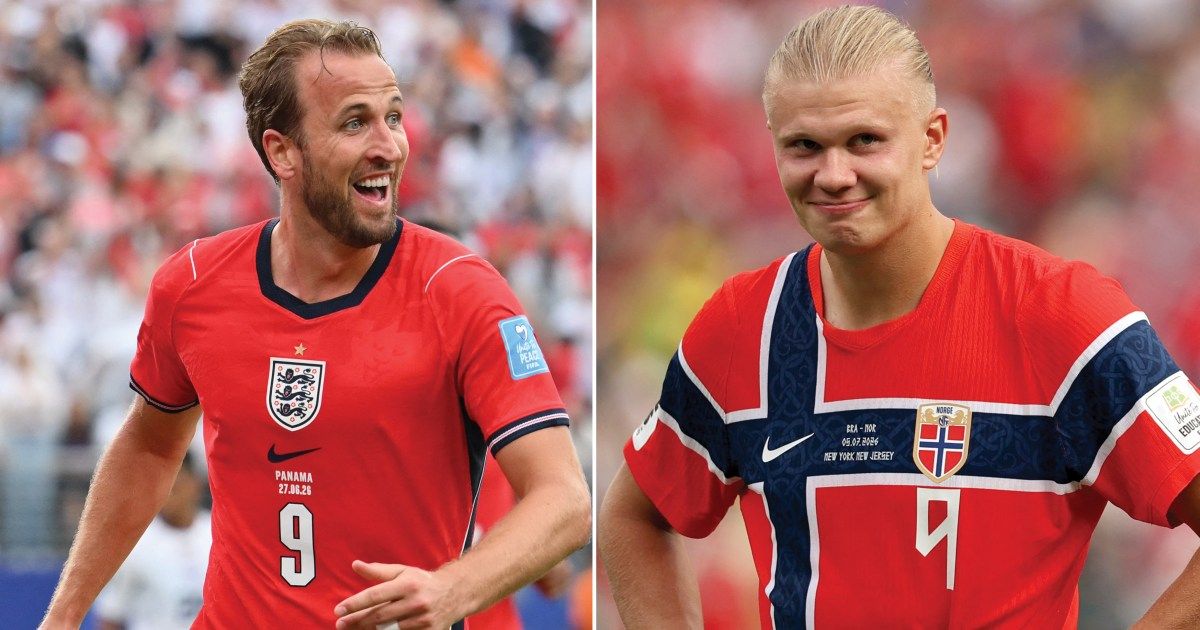
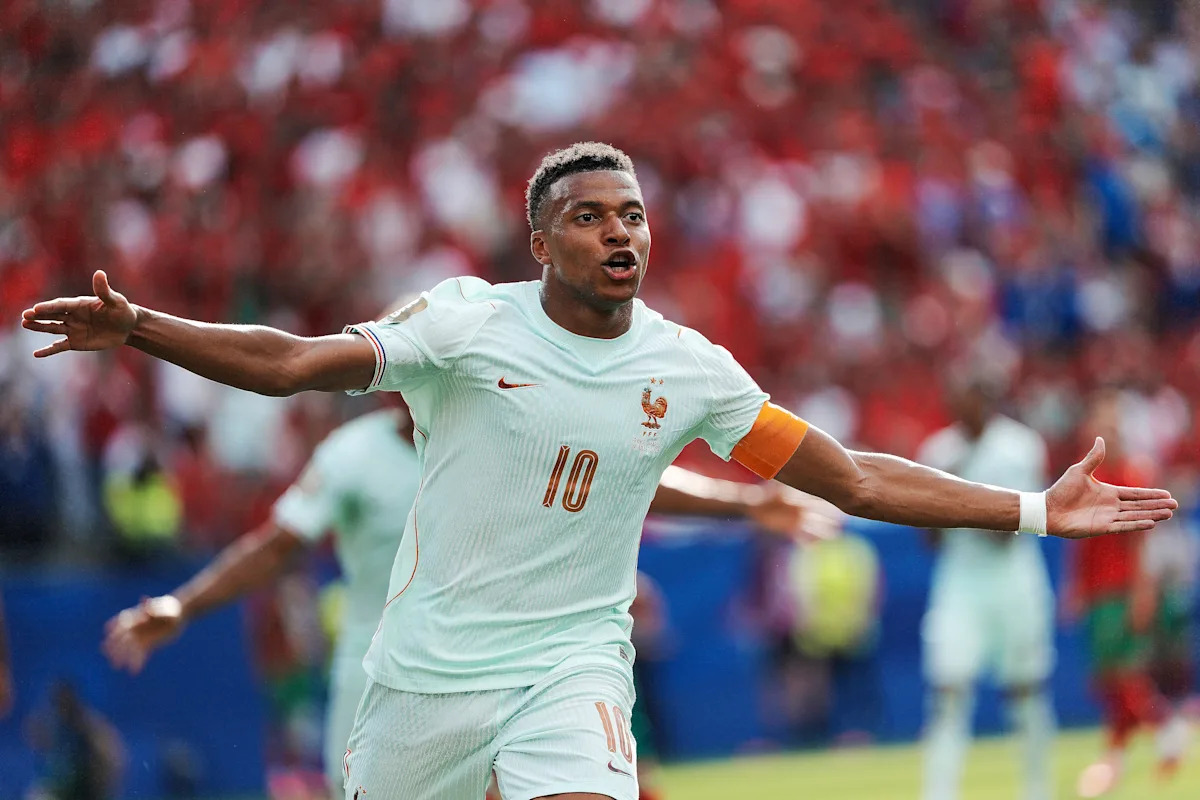
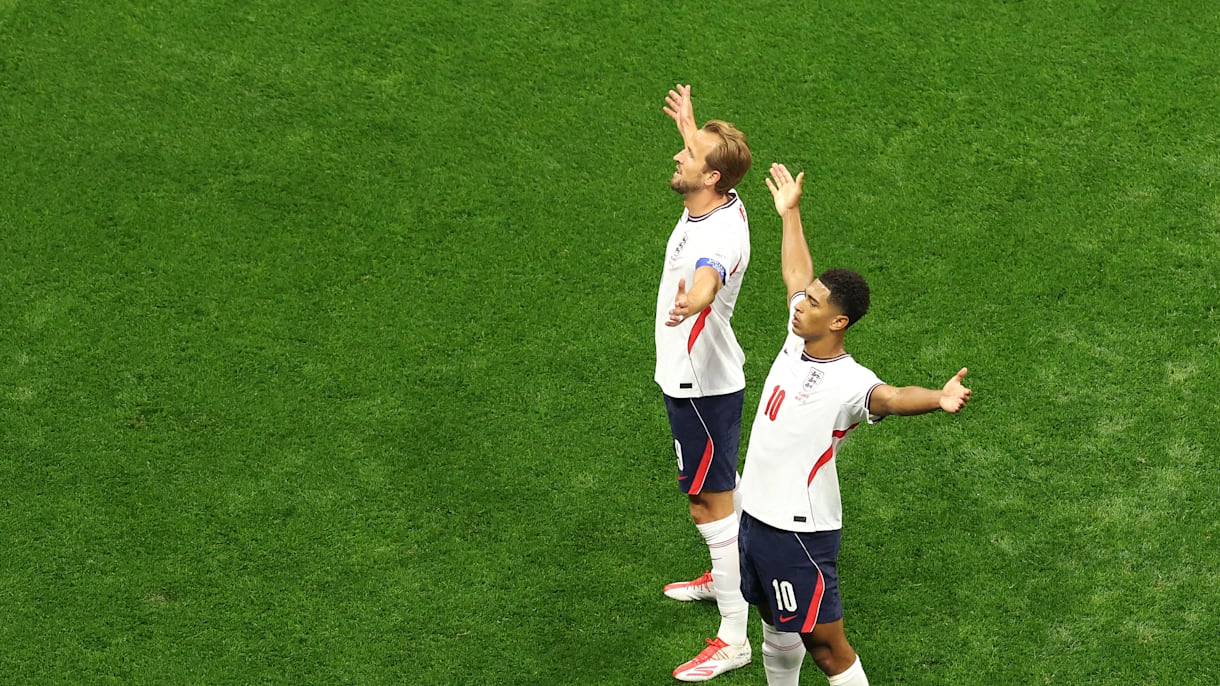
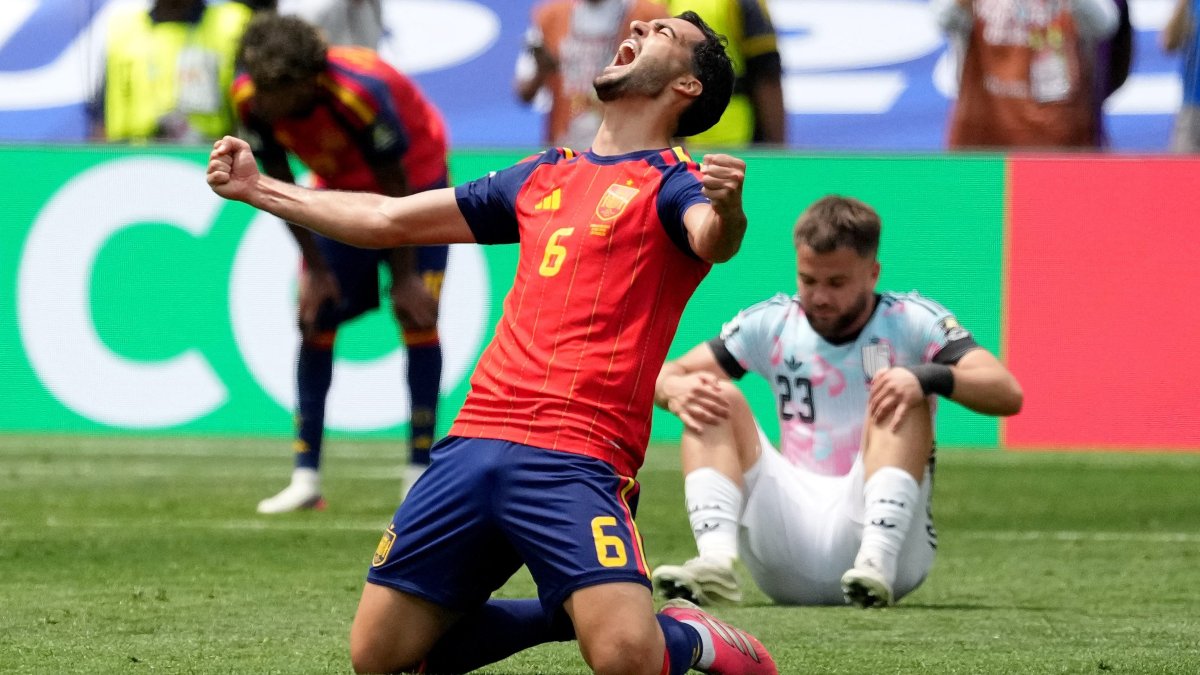
All four quarter-finals ended in victories for the favourites. France beat Morocco 2–0, with goals from Mbappé (his 8th of the tournament) and Dembélé. Spain defeated Belgium 2–1 — the first goal the Spanish had conceded throughout the entire tournament. England beat Norway 2–1 in extra time thanks to a brace from Jude Bellingham. Argentina also advanced in extra time — 3–1 against Switzerland, who had been reduced to ten men from the 72nd minute; the decisive goal on 112 minutes was scored by Julián Álvarez.
Scenarios
Scenario 1 — France vs Spain (14 July, 22:00 Kyiv time, Dallas). France have scored 16 goals and conceded just 2 throughout the tournament. Spain have scored 11 and conceded 1. This is a clash between the two most prolific attacks and the two most solid defences in the competition. If Spain can neutralise Mbappé through a high press and ball control, the match could go to extra time. If France find space in behind the Spanish defensive line, the opener could come as early as the first half.
Scenario 2 — England vs Argentina (15 July, 22:00 Kyiv time, Atlanta). Argentina have played three of their four knockout matches in extra time — the question of physical resources is very real. After the win over Norway, Tuchel openly criticised his team's tactical "sloppiness". If England can shut down Messi through a compact midfield block, Argentina will be forced to look for solutions through Álvarez and Mac Allister — a far less predictable scenario for the reigning champions.
Scenario 3 — a final without the 2022 rematch. If Spain and Argentina win their respective semi-finals, the final on 19 July at MetLife Stadium will be a rematch of the 2022 World Cup final in Qatar, where Argentina beat France on penalties. If France and England go through instead, the World Cup will have a brand-new final with no precedent in modern history.
The 48-team format of the 2026 World Cup has already demonstrated its ability to generate upsets in the early stages — while at the same time ensuring that the final four are precisely the teams that performed most consistently throughout the tournament. For more on how this format influenced specific ties as far back as the round of 16, read our article Spain vs Portugal in the round of 16: how the 48-team 2026 World Cup format shaped this tie. This evening — follow the official pre-semi-final press conferences from both camps: that is where the first signals about Tuchel's and Scaloni's tactical plans will emerge.
Photo: Yahoo Sports Staff · Editorial (source)