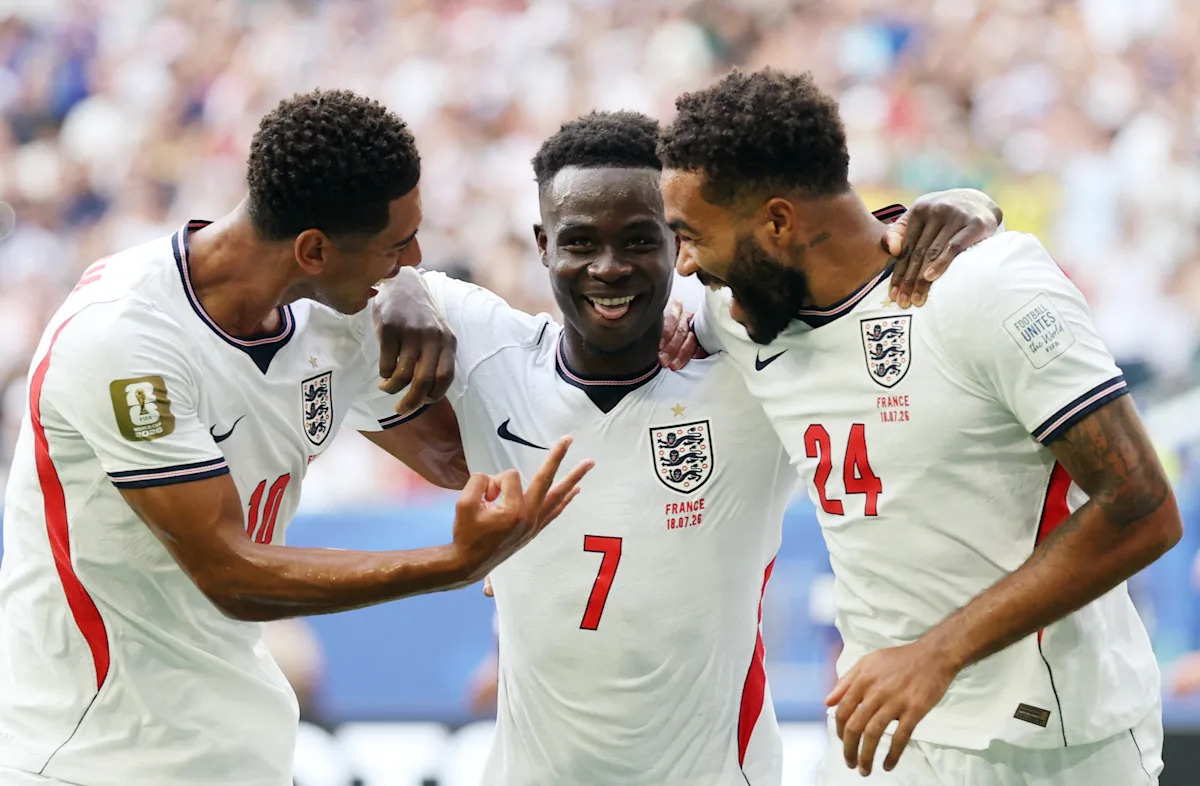
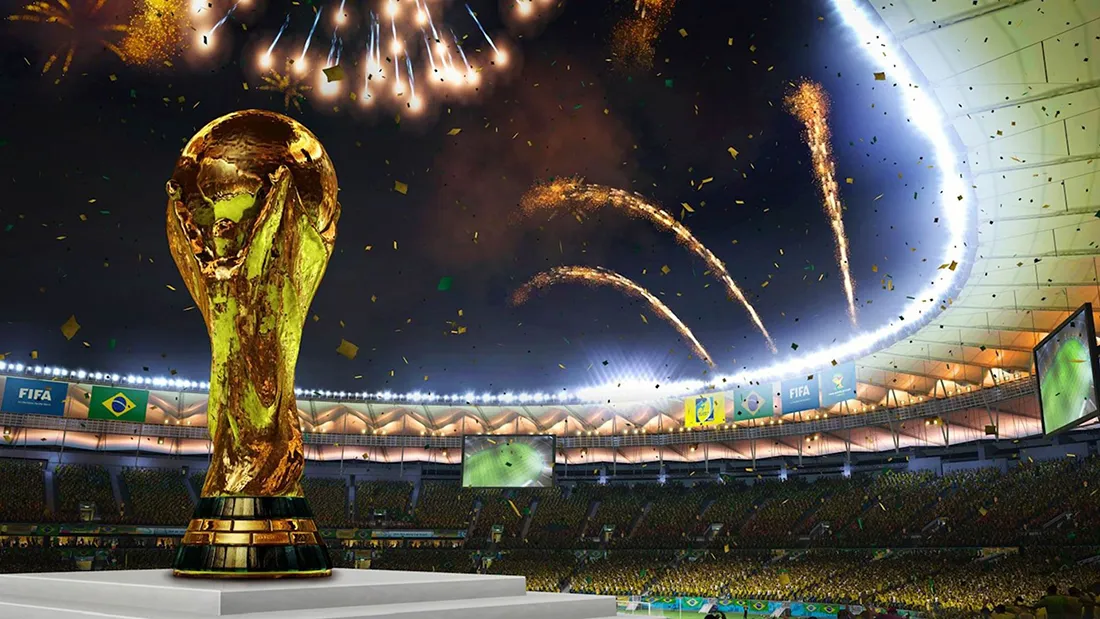
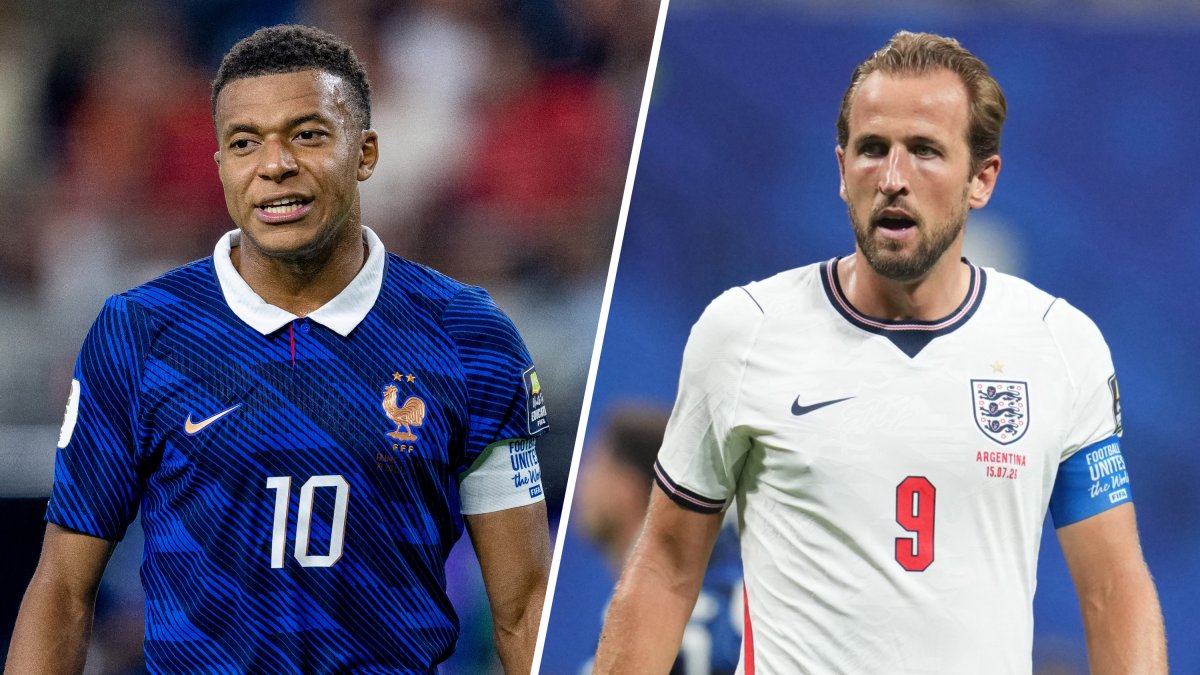
The 2026 World Cup format with 48 teams is not just a number in a FIFA press release. It is a new tournament architecture that shaped every match from the opening group stage to this evening, when at 22:00 Kyiv time France face England in the bronze-medal match at Hard Rock Stadium in Miami. Tomorrow, 19 July at 22:00, comes the final — Spain vs. Argentina at MetLife Stadium in New Jersey. But to understand how these four nations got here, it is worth breaking down the mechanics of the tournament.
How the 48-team format works at the 2026 World Cup
For the first time in history, 48 national teams competed at a World Cup — 16 more than in Qatar. The total number of matches rose from 64 to 104. FIFA's key structural decision: instead of 16 groups of three teams (the original plan), they chose a format of 12 groups of four. Each team played three group-stage matches — the familiar logic was preserved, but the scale changed dramatically. A champion now needs to play eight matches to lift the trophy, rather than seven.
12 groups of 4: who advances to the knockout stage
The top two teams from each of the 12 groups advanced automatically — 24 teams in total. They were joined by the eight best third-placed sides from across all groups, forming a knockout round of 32 participants. That is why the knockout stage at this tournament began with the round of 32 for the first time, rather than the round of 16 as at previous World Cups. The three host nations — the United States, Mexico, and Canada — were given fixed positions in Groups A, D, and B respectively, but all three were eliminated in the round of 32.
The rule of the 8 best third-placed sides
This rule became the central intrigue of the group stage. Of the 12 teams that finished third, only eight continued — selected by points, goal difference, and goals scored. For example, Bosnia and Herzegovina advanced with 4 points, Paraguay also with 4, and Ecuador despite a defeat to Germany in the final round. This "parallel table" kept several groups in suspense right up to the final whistle of the third matchday. More on how the 2026 World Cup format with 48 teams brought the best sides to the top of the tournament — in a separate article.
Scenarios
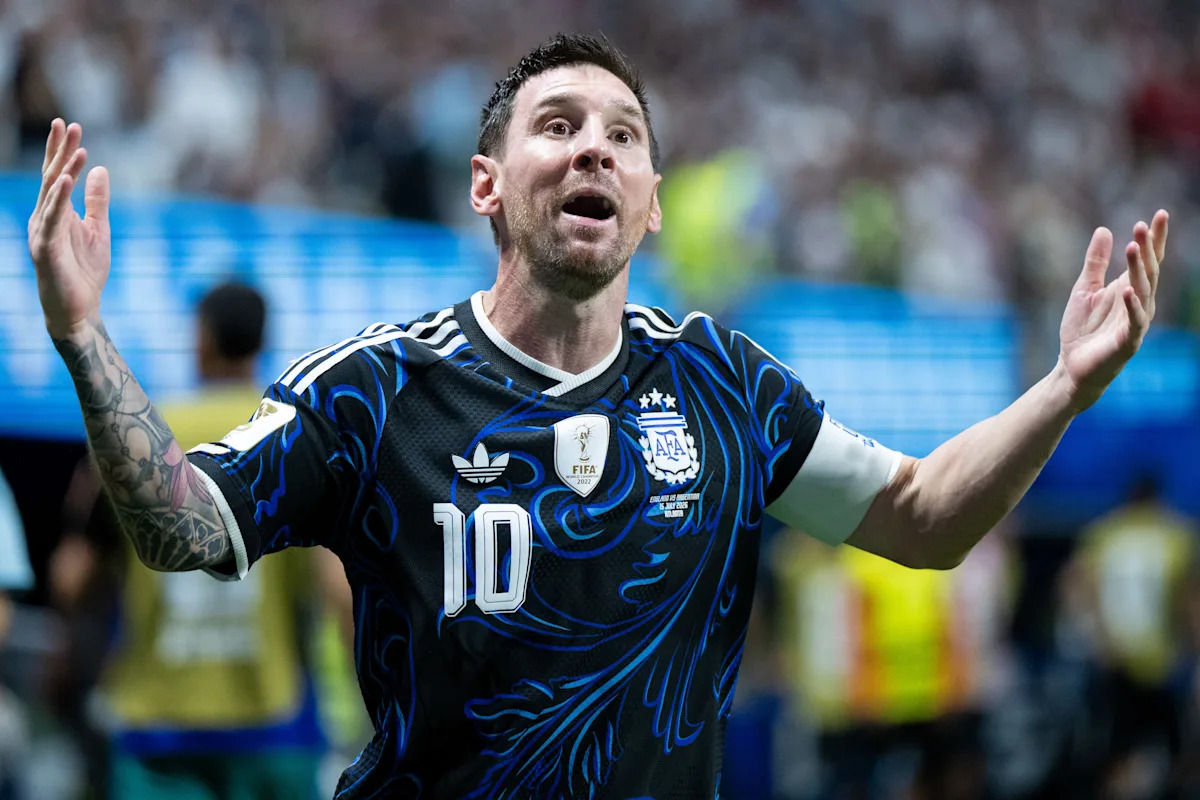
Scenario 1: France win and Mbappé claims the Golden Boot. Kylian Mbappé currently shares the top of the scoring charts with Lionel Messi — both on 8 goals. Since Messi plays in tomorrow's final, tonight's match is Mbappé's last chance to pull ahead. If the Frenchman scores, he becomes the first player to win the Golden Boot at a World Cup twice. France are the form favourites: before their defeat to Spain (0–2), Les Bleus had not conceded a single goal across four knockout matches.
Scenario 2: England redeem themselves after a painful exit. The Three Lions lost to Argentina 1–2 after taking the lead. England scored in every match of the tournament but conceded 8 goals across four knockout games — the most vulnerable defence among the semi-finalists. If Tuchel opts for an attacking approach (Kane and Bellingham both have 6 goals), the match could turn into an open shootout. The statistics back this up: 16 of the last 20 World Cup third-place matches ended with more than two goals.
Scenario 3: Both teams rotate their squads — the match loses intensity. After a month of gruelling football, both managers are likely to hand minutes to squad players. Deschamps confirmed that Saliba (back) and Samba (calf) are unavailable; Reece James is a doubt for Tuchel. If the starting line-ups are rotational, the match may be less tactically dense — but more entertaining in an open style.
The path both sides took to reach this match is a telling cross-section of how the 2026 World Cup format with 48 teams brought the four best sides to the semi-finals. France came through Senegal, Iraq, Norway, Sweden, Paraguay, and Morocco — 16 goals scored, just 2 conceded before meeting Spain. England took a more arduous route: 14 goals scored, 8 conceded, and a victory over Norway in extra time in the quarter-finals.
Tonight, watch the Golden Boot race — Mbappé against his own record. Tomorrow the key question is: can Spain stop Messi and claim a second title, or will Argentina become the first team since 1962 to win the World Cup back-to-back? Read the Spain–Argentina final analysis and what will decide it all in a separate piece.