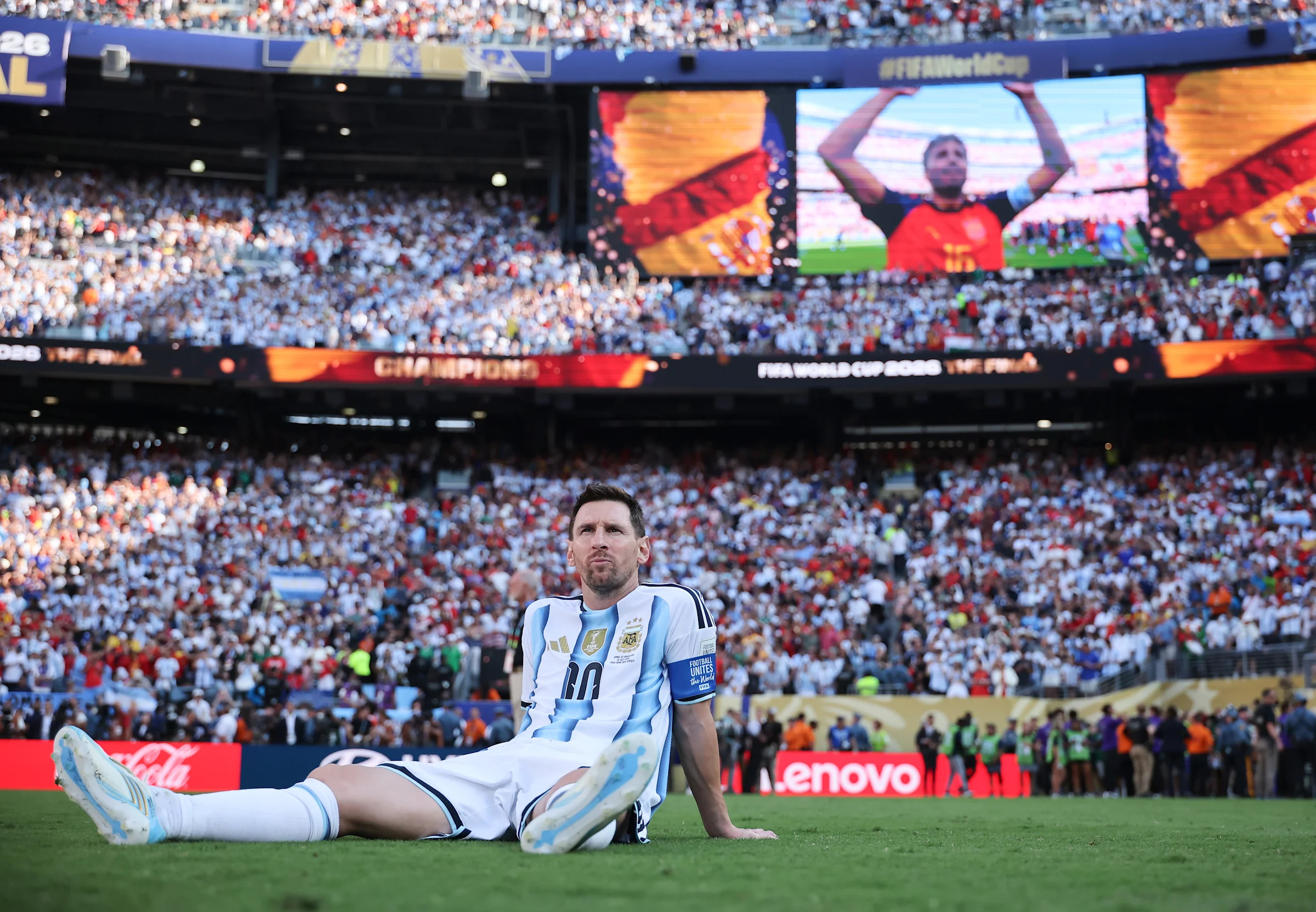
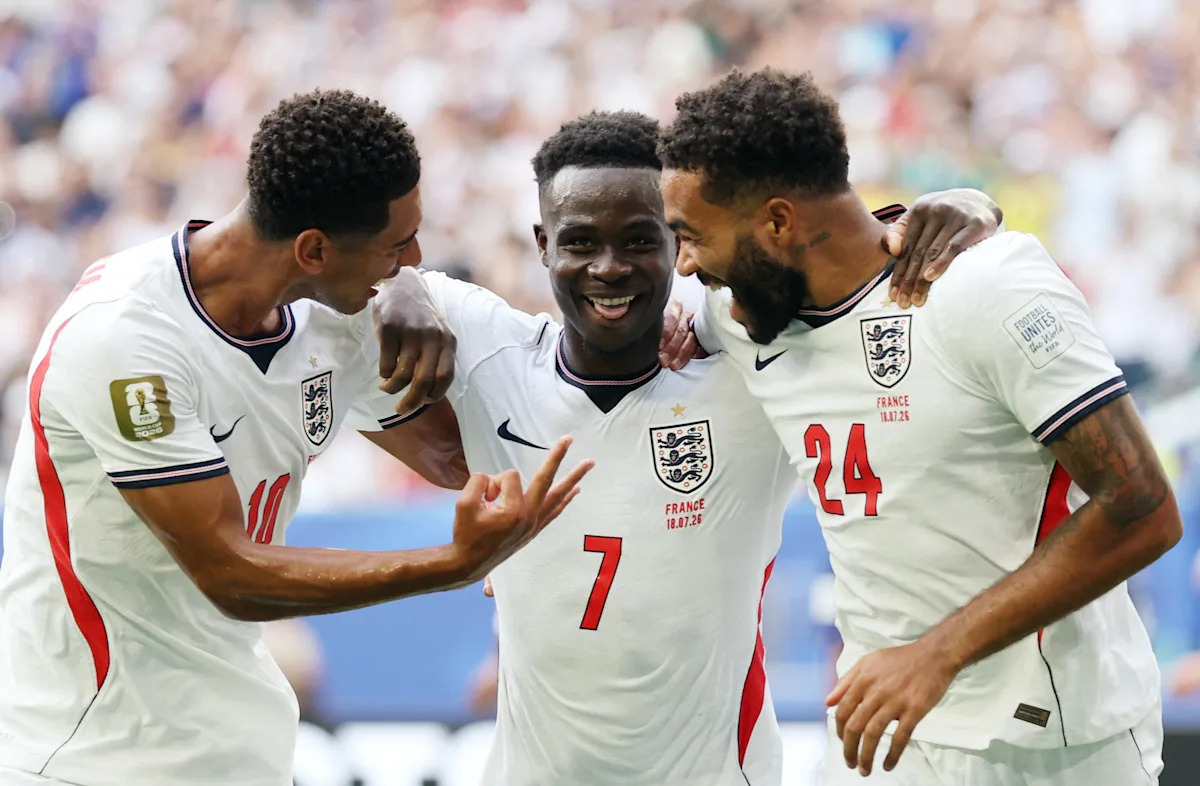
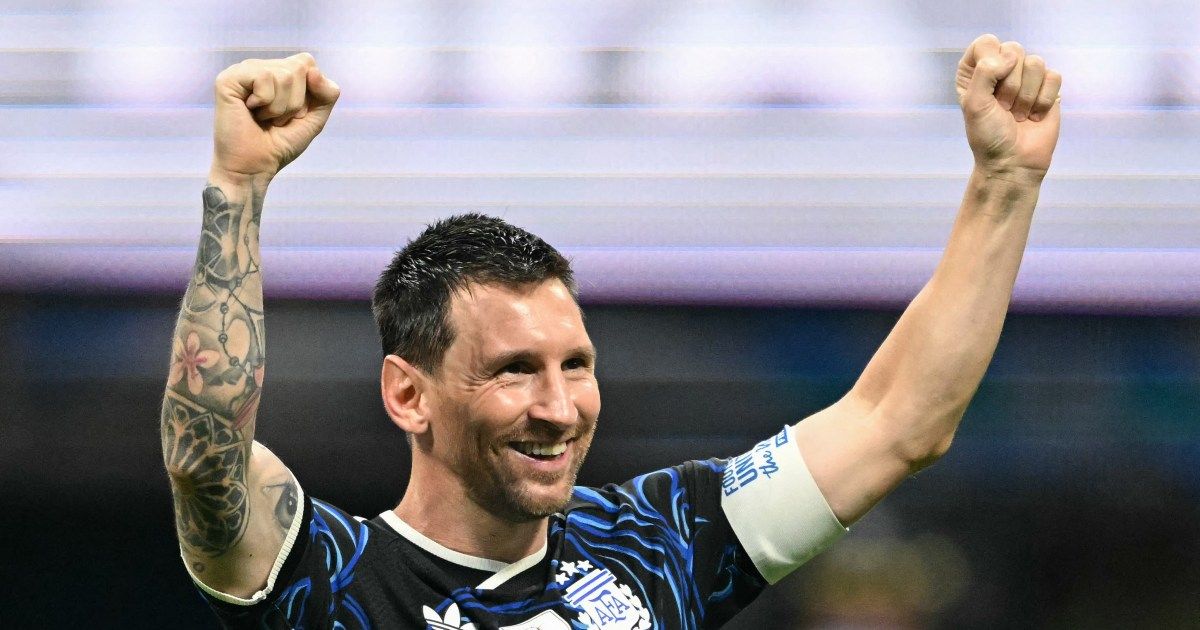
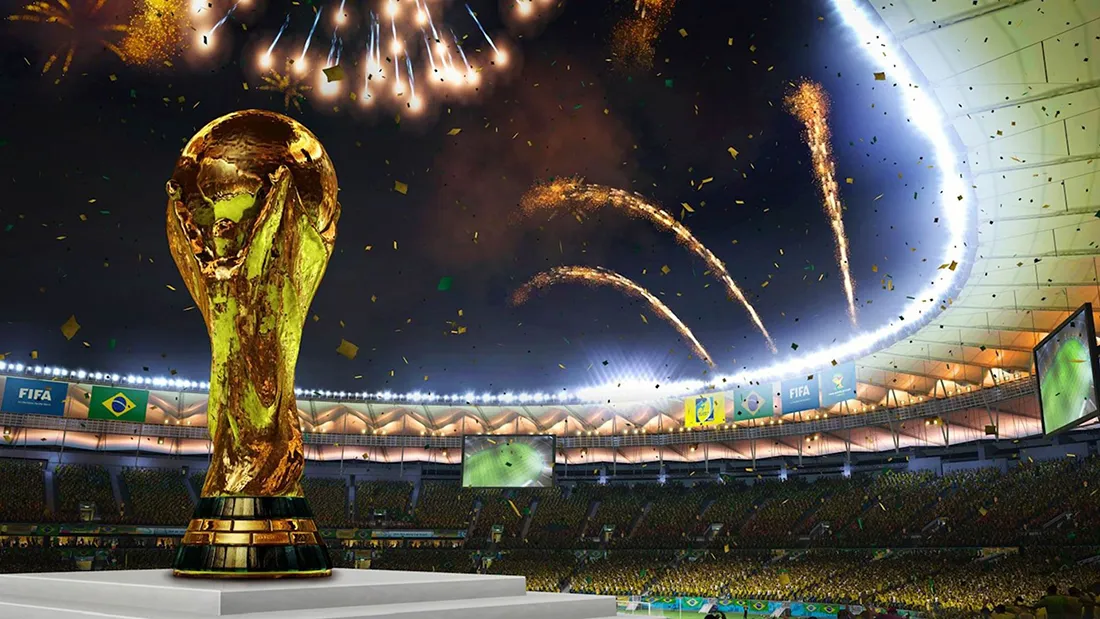
Tonight at 22:00 Kyiv time, MetLife Stadium in New Jersey will host the final of the first-ever 48-team World Cup — the 104th and last match of the tournament. Spain, the reigning European champions, face Argentina, the reigning world champions. The stakes could not be higher: either the Albiceleste become the first team since 1962 to defend the title, or Spain claim their second World Cup in history.
How the 2026 World Cup's 48-team format brought exactly these two here
The expanded 2026 World Cup format — 48 teams, 12 groups of four, 32 sides advancing to the knockout stage (the top two from each group plus the eight best third-placed teams) — opened the door to more nations, but at the finish line it left exactly those the rankings had predicted. For the first time in history, the top four at a World Cup are the same four sides that occupy the top four positions in the FIFA world rankings. Spain went through the knockout rounds unbeaten: Austria (3–0), Portugal (1–0), Belgium (2–1), France (2–0). Argentina took a more turbulent route — comebacks against Cape Verde, Egypt, Switzerland and England.
12 groups of four: who advances to the knockouts — and why it matters for the final
The expanded group format meant both finalists had to play seven knockout matches — more than at any previous World Cup. Spain played those seven games conceding just one goal: goalkeeper Unai Simón set a tournament record with six consecutive clean sheets. Argentina, by contrast, scored the most goals of any team in the competition — 19 — and attacking leader Lionel Messi (age 39) heads into the final with 8 goals and 4 assists, sharing top spot in the Golden Boot race with Kylian Mbappé.
Tactical breakdown: where the match will be decided
Spain operate in a hybrid 4-2-3-1: Rodri and Fabián Ruiz form a double pivot, Lamine Yamal attacks down the right flank, and Mikel Oyarzabal is the centre-forward with five goals in the tournament. Spain's average possession share at this World Cup is 64%, allowing them to quite literally suffocate opponents. Argentina respond with a 4-4-2 or diamond shape: Messi operates as a right forward with licence to drift inside, Enzo Fernández and Alexis Mac Allister control the midfield, and Emiliano Martínez in goal is a proven penalty-shootout specialist.
The key axis of the contest is Rodri against Argentina's central trio. If the Spanish holding midfielder dictates the tempo, La Roja controls the final. If Argentina's press knocks Rodri out of his rhythm, the match becomes an even battle where a single Messi moment could be enough.
Scenarios
- Spain score first and keep the ball. The most likely scenario for La Roja: when ahead in possession they are capable of "closing out" a match just as they did against France (2–0). Argentina have no experience of overturning a deficit against teams with this level of control.
- A draw after 90 minutes — extra time and a penalty shootout. Argentina know how to sit deep and wait for their moment. If the Albiceleste manage to neutralise Yamal and hold Spain to 0–0 or 1–1, a shootout becomes their comfort zone: Emi Martínez saved penalties in the 2022 final.
- Argentina score first — and Spain are forced to open up. This scenario is the least likely given Spain's defensive record (1 goal conceded in 7 matches), but it would give Messi the ideal conditions for a final masterpiece: the Albiceleste excel at protecting a lead and striking on the counter.
The best eight third-placed teams rule: how it shaped this final
The unique mechanic of the 2026 World Cup's 48-team format — the eight best third-placed sides advance to the round of 32 — gave a lifeline to teams that would previously have been eliminated after the group stage. It was through this bracket that sides entered the knockout rounds and complicated the path for both finalists: Argentina faced Cape Verde (a group-stage third-place finisher) in the round of 32, while Spain faced Austria. The expanded format did not dilute the quality of the final — it simply made the road to it longer and harder.
Tonight, watch to see whether Argentina can reproduce their trademark "late comeback" scenario against a team that conceded just one goal throughout the entire tournament. Opta's supercomputer puts Spain's chances at 59.46% against Argentina's 40.54% — but numbers don't play on the pitch. Check both teams' starting line-ups closer to 22:00 Kyiv time.
See also: Groups F and E: who leads after matchday one and what is decided tonight
Photo: OBOZ.UA · Editorial (source)