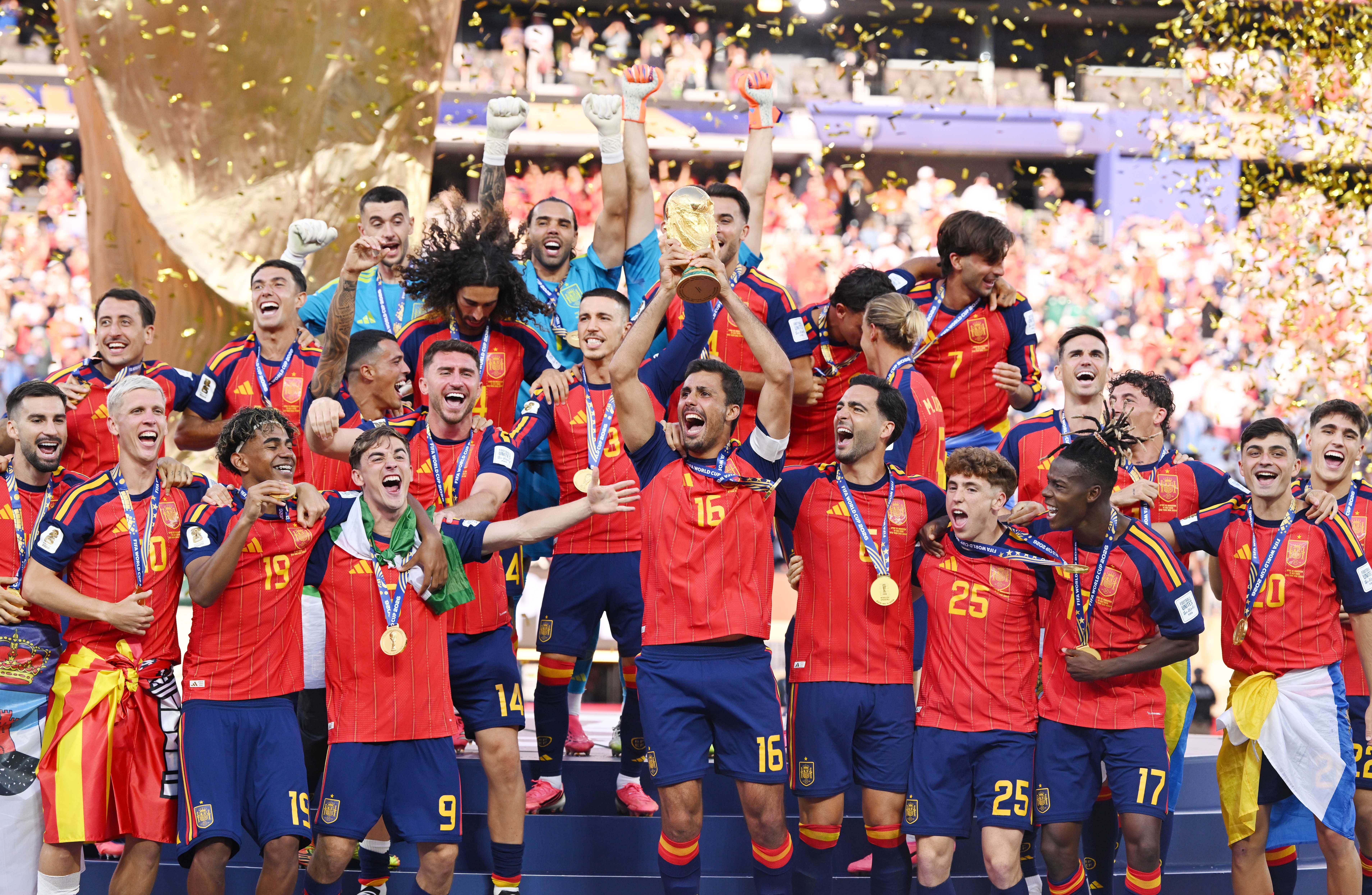
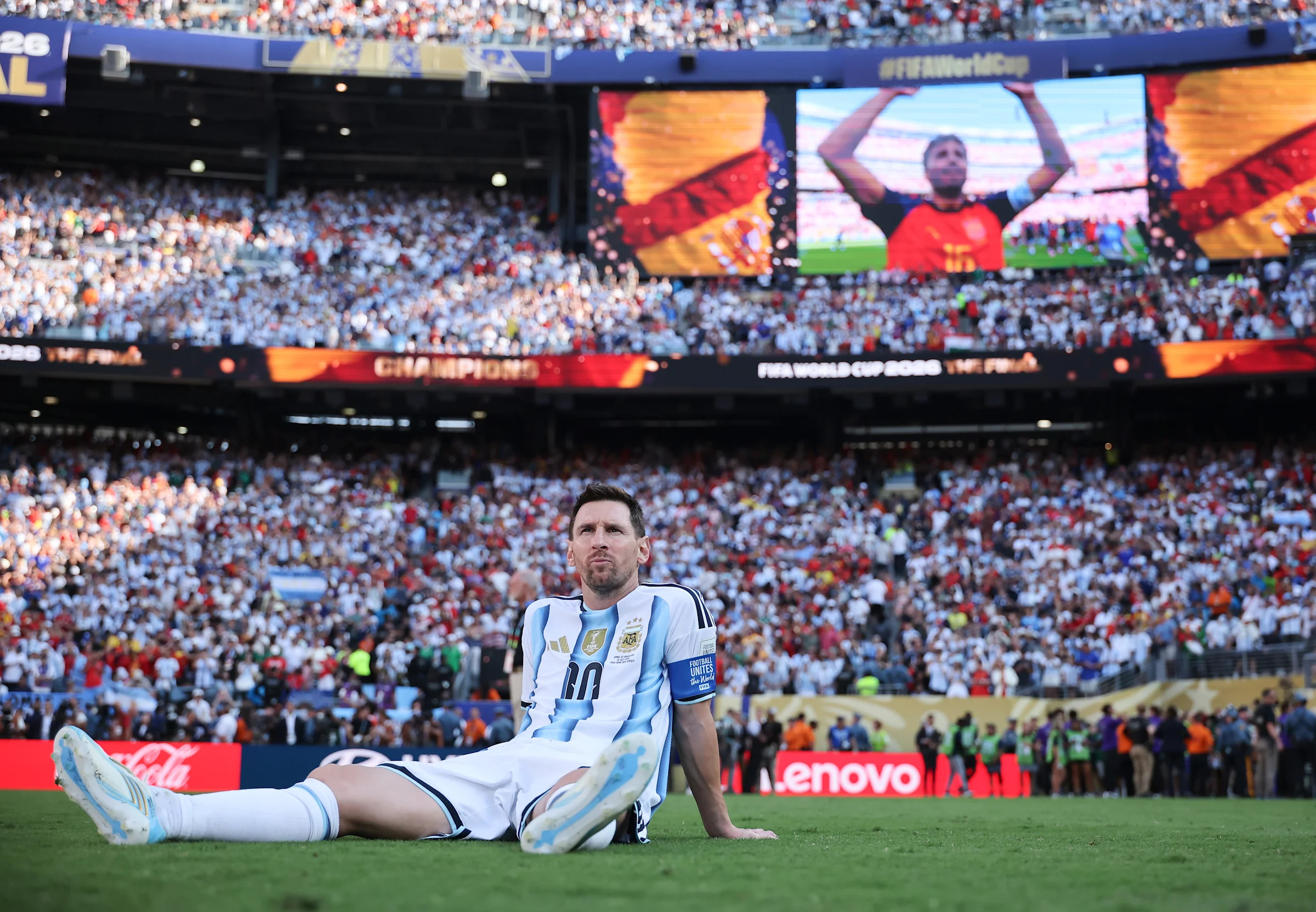
The 2026 World Cup ended the way the biggest tournament in history had to — in extra time, with a single goal and a change of champion. Spain defeated Argentina 1–0 in the final at MetLife Stadium in New Jersey, and La Roja lifts the golden trophy for the second time since 2010. For those who followed the tournament from the first whistle in Mexico City on June 11, this is a logical conclusion, backed by the numbers from the first to the last round.
How the 2026 World Cup 48-team format worked — and why it succeeded
For the first time in history, 48 national teams competed at a World Cup, split into 12 groups of four. The top two teams from each group advanced to the knockout stage, along with the eight best third-placed sides — 32 teams in total entering the Round of 32. The tournament spanned 104 matches over 39 days — an absolute record on both counts. It was precisely the expanded format that opened the door to breakthrough stories like Cape Verde reaching the Round of 32, and Norway knocking out Brazil in the quarterfinals. For more on how the format works, see our article "2026 World Cup Format: 48 Teams — How It Works and What to Expect".
12 groups of 4: who advanced to the knockout stage and how it shaped the bracket
The system of 12 groups of four teams created its own layer of drama: the ranking of the eight best third-placed sides determined who made it to the Round of 32 and who went home. This mechanism kept several groups in suspense until the very last matchday. Among those who advanced were Spain (Group H), Argentina (Group J), France (Group I), and England (Group L) — all four reached the semifinals, confirming that the expanded format did not dilute quality but only added depth. A detailed breakdown of how Spain and Argentina navigated the bracket can be found in the article "Spain — Argentina: The 2026 World Cup 48-Team Format Brought the Best to the Top".
Scenarios
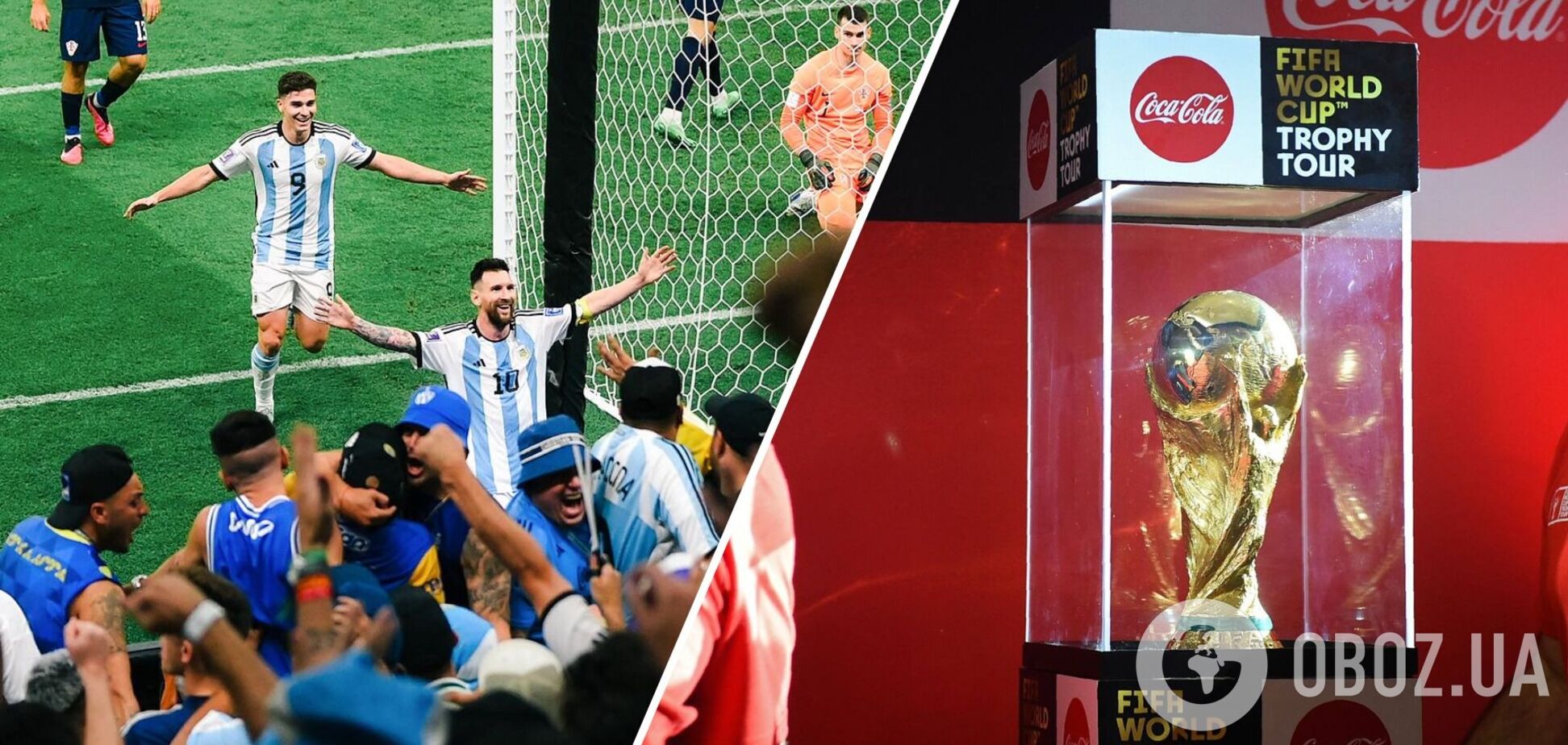
The final played out in the most "Spanish" fashion imaginable: total ball control, minimal space conceded to the opponent, and a decisive strike from a substitute. Argentina managed just two shots over 120 minutes, none on target. Enzo Fernández received his second yellow card in the 90+3rd minute, leaving his teammates a man down at the very moment they needed numerical equality most. Ferran Torres, who had come on as a substitute in the second half of regular time, converted a rebound in the 106th minute — and that proved to be enough.
The alternative scenario — a penalty shootout — looked very real until the 105th minute: Argentina with Emiliano Martínez in goal (11 saves in the match, a World Cup final record) would have had their chances. But Torres's goal settled the matter before it came to that.
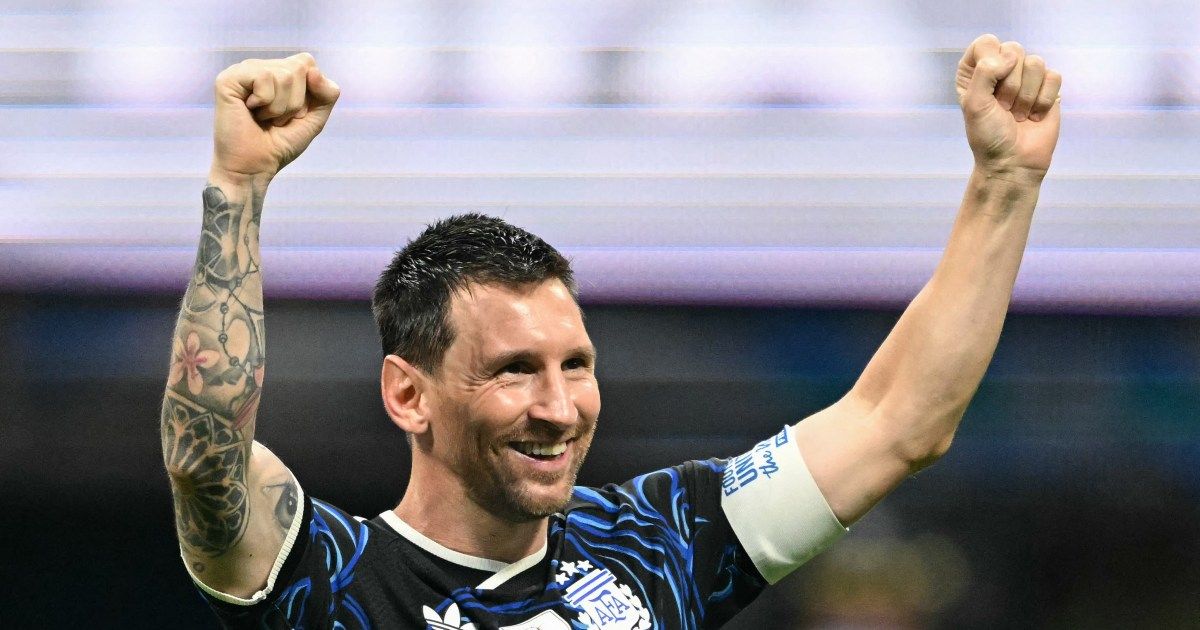
The third scenario — "Argentina back-to-back" — did not materialise: La Albiceleste did not become the first team since Brazil in 1958/62 to win two consecutive World Cups.
The best eight third-placed teams rule: its ultimate impact on the tournament
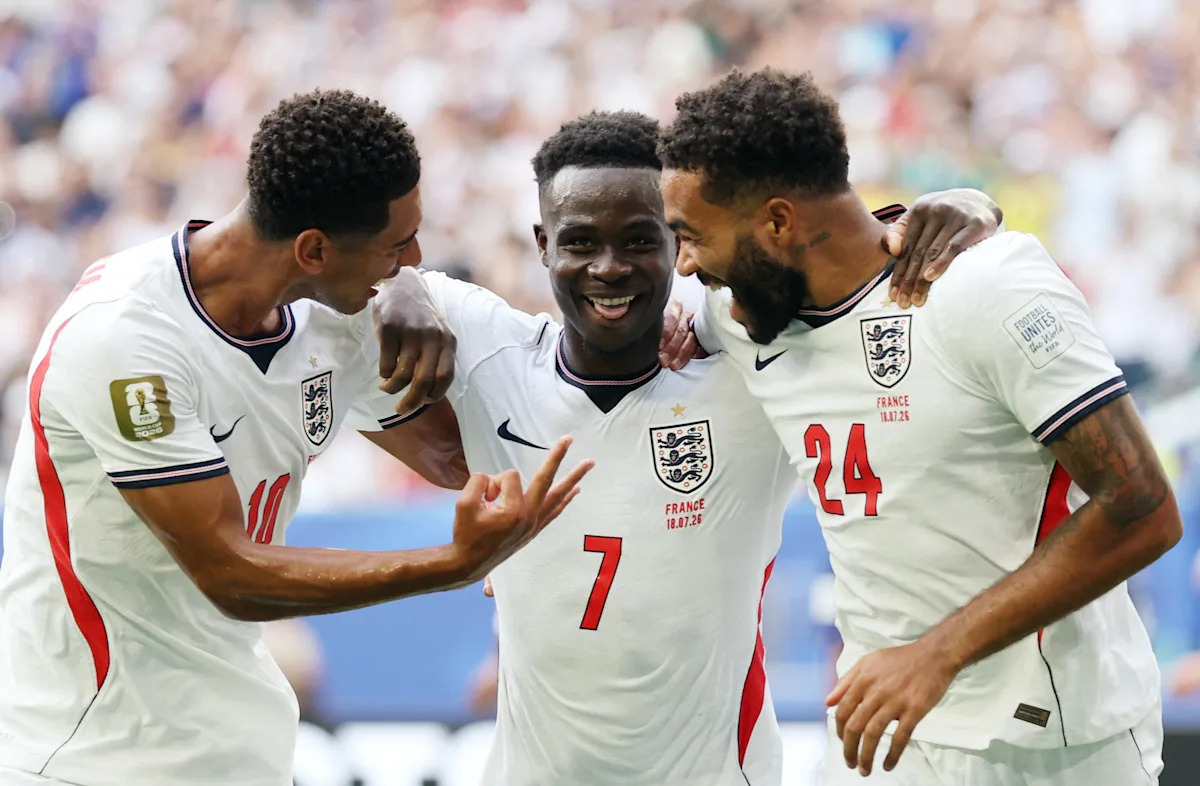
The mechanism of the eight best third-placed teams proved to be not merely a technical rule but a genuine story generator. It was precisely because of it that Cape Verde, Norway, and Egypt got their chance in the knockout stage — and took it. Norway, led by Erling Haaland (7 goals at the tournament), reached the quarterfinals, where they were eliminated by England only in extra time. Without the expanded format, none of these teams would have made it to the knockout rounds at all.
Final awards and records
- Golden Ball (best player) — Rodri (Spain): 1,343 accurate passes at the World Cup — an all-time record since 1966, with 93% passing accuracy throughout the tournament.
- Golden Boot — Kylian Mbappé (France): 10 goals, winning the award for the second time — a first in history.
- Golden Glove — Unai Simón (Spain): just 1 goal conceded across the entire tournament.
- Best Young Player — Pau Cubarsí (Spain, 19 years old).
- Lamine Yamal became the youngest player in history to win both the European Championship and the World Cup.
- Luis de la Fuente is the oldest manager to win the World Cup (65 years and 29 days).
Spain finished the tournament having conceded just one goal in eight matches, and became the first team to simultaneously hold both the men's and women's World Cup titles. The 2026 World Cup 48-team format delivered on its promise: more participants, more storylines, more surprises — and yet the strongest sides still made it to the final. A full analysis of the final showdown is available in the article "Spain — Argentina: The 2026 World Cup Final with 48 Teams Decided Everything".
Photo: via worldcuppass.com · Editorial (source)