The 2026 World Cup 48-team format rules are more than just a number on a poster. Today, July 2, that format materialises in three Round of 32 matches, each of which shapes a distinct section of the bracket all the way to the final on July 19. Spain vs Austria, Portugal vs Croatia and Switzerland vs Algeria: three ties, three different tournament logics — and no margin for error.
How the 48-team format works at the 2026 World Cup
A quick recap of the structure for those still getting used to the new Mundial. 48 teams are split into 12 groups of four: the top two from each group advance to the knockout stage, plus the eight best third-placed sides — 32 teams in total entering the Round of 32. That is why the group stage is already over and we are now in the first round of the knockout phase. The tournament features 104 matches in total and will last 39 days — the longest World Cup in history.
12 groups of 4: who made it to the knockout stage
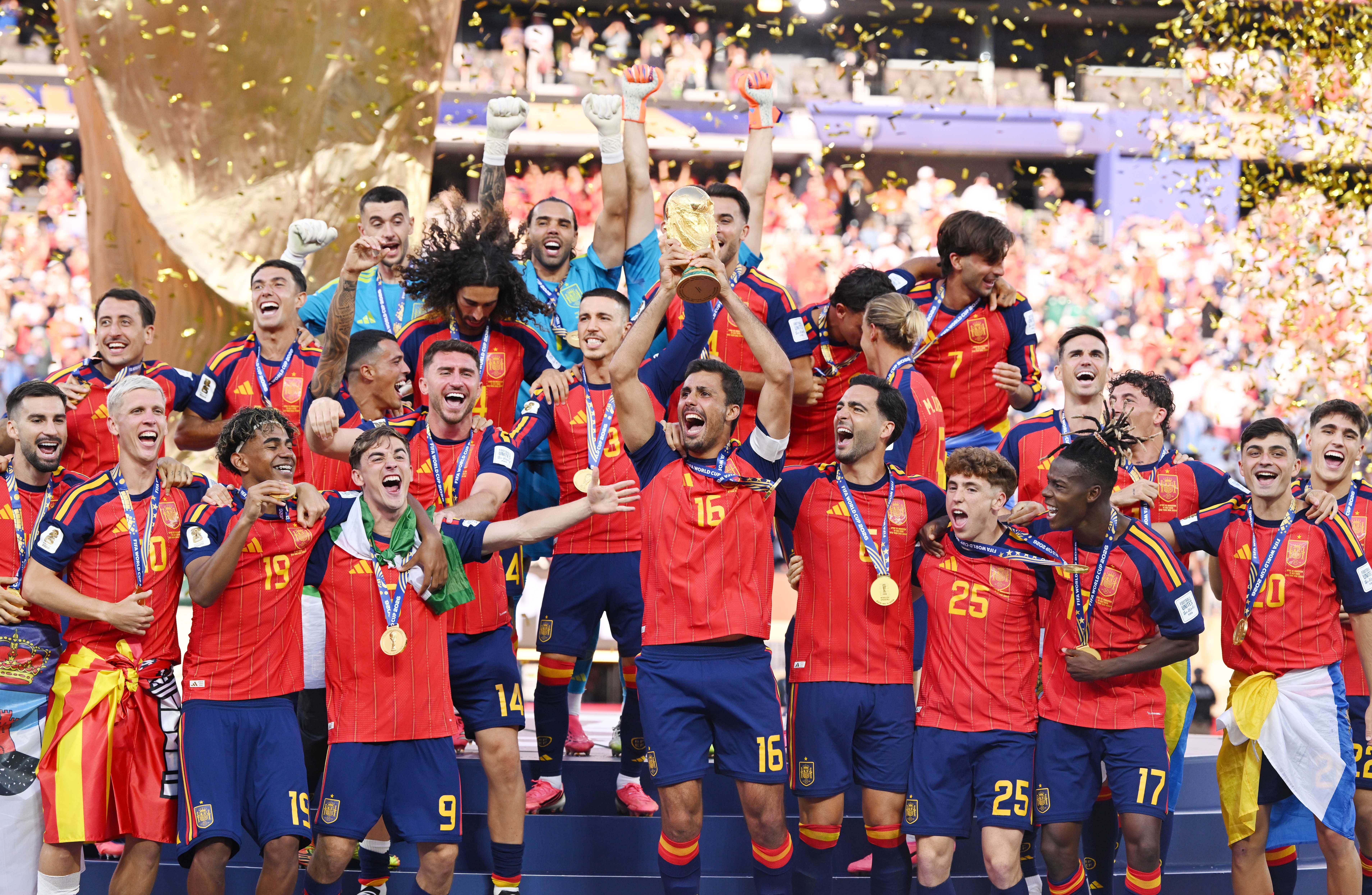
Spain vs Austria (22:00 Kyiv time, SoFi Stadium, Los Angeles). Spain topped Group H, beating Uruguay 1–0 in the decisive matchday after drawing with Cape Verde 0–0 and thrashing Saudi Arabia 4–0. Austria advanced from Group J in third place — following a 3–1 win over Jordan and a 3–3 draw with Algeria. Spain have gone 34 matches unbeaten, while Austria scored six goals in three group-stage games — one more than their opponents. Manager Rangnick openly admits his side need to take a step forward. The winner will face the victor of Portugal vs Croatia in the Round of 16.
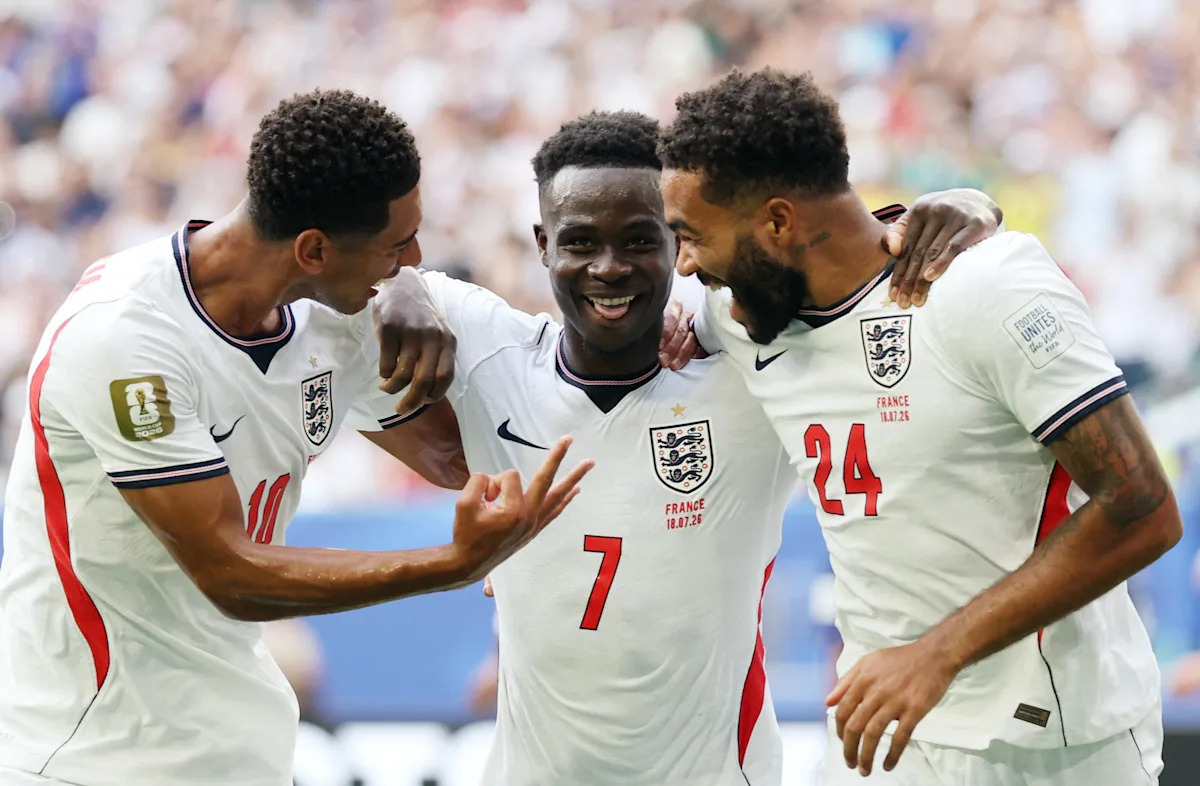
Portugal vs Croatia (02:00 Kyiv time, July 3, BMO Field, Toronto). Portugal finished second in Group K on seven points — after drawing 0–0 with Colombia in the final matchday. Croatia advanced from Group L in third place: they lost to England 2–4 in their opening match but then beat Panama 1–0 and Ghana 2–1. Modrić (40) and Kovačić form an experienced midfield spine; Portugal, by contrast, rely on intensity and quick combinations. Ronaldo scored a brace against Uzbekistan but was largely invisible in other matches — his role in the knockout rounds remains an open question.
Switzerland vs Algeria (05:00 Kyiv time, July 3, BC Place, Vancouver). Switzerland won Group B: they beat Bosnia 4–1 and Canada 2–1, though they drew 1–1 with Qatar. Algeria came through on nerves — losing to Argentina 0–3, then beating Jordan 2–1 and drawing 3–3 with Austria. The Desert Foxes' open style creates goals but also leaves space in behind.
The rule of the eight best third-placed teams
Austria, Croatia and Algeria all reached the Round of 32 precisely as third-placed sides. The eight best third-placed teams are ranked by points, goal difference, goals scored, disciplinary record and FIFA ranking — and all of them have already earned their shot in the knockout stage. This is the key innovation of the 2026 World Cup format: finishing third in your group no longer means the end of the road.
Scenarios
- Spain win in normal time — the most likely outcome given their 34-match unbeaten run and the quality of their squad. The winner advances to face the victor of Portugal/Croatia in the Round of 16 in Dallas.
- Croatia eliminate Portugal — if Modrić and company can slow the tempo and impose a positional game, experience may outweigh athleticism. Spain would then face a side that has reached the World Cup final twice before in the Round of 16.
- Algeria stun Switzerland — the Swiss look more consistent, but Algeria's open style can expose the flanks of their defence. An upset here would reshape the lower half of the bracket and could affect Argentina's potential opponents in the Round of 16.
Tonight is the first of three consecutive evenings on which the 48-team 2026 World Cup format delivers three knockout matches. Watch Spain at 22:00: if La Roja finally produce the football they are capable of after a sluggish group stage, it will send a signal to the rest of the bracket. And the Portugal vs Croatia tie at midnight will settle the question of whether Ronaldo can be the decisive player in the knockout rounds.
See also: 48 teams at the 2026 World Cup: all tournament participants
Photo: Sean Leahy · Editorial (source)