Today, June 11, 2026, the first whistle of the largest World Cup in football history sounded at the legendary Estadio Azteca in Mexico City. Mexico vs. South Africa — the opening match, both symbolic and pivotal for Group A in tournament terms. While the stands are still buzzing from the opening ceremony, there is already plenty to analyze: the tournament format has changed fundamentally, introducing a new logic of survival for 48 national teams.
New Format — New Rules of the Game
For the first time in history, 48 teams are competing at a World Cup, split into 12 groups of four. The top two from each group advance automatically, but the key innovation is that the eight best third-placed teams across all 12 groups also qualify for the Round of 32. This means that even a defeat in the first round is not a death sentence. However, there is no room for complacency: goal difference and points of third-placed teams will be compared across all groups, so every goal counts.
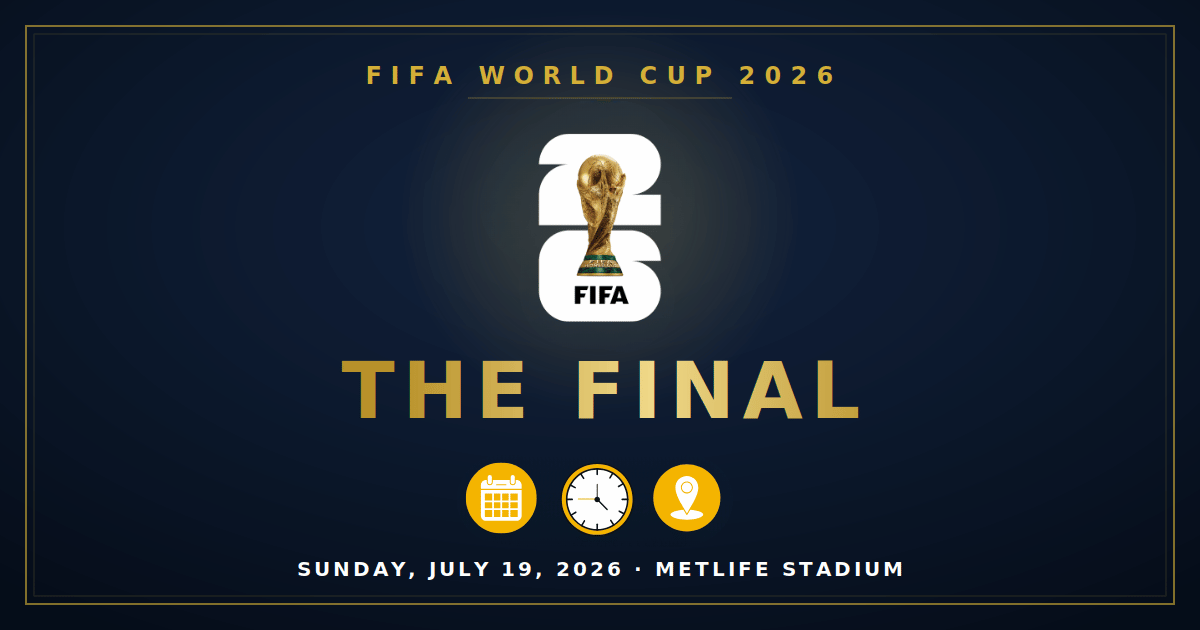
The group stage runs until June 27, with the knockout rounds beginning on the 28th. The final is scheduled for July 19 at MetLife Stadium in New Jersey. In total, the tournament features 104 matches over 39 days — a record duration in World Cup history.
Group A: The Host Under Pressure From Match One
Group A — Mexico, South Africa, South Korea, Czech Republic — opened the entire tournament, with both first-round matches played today. Mexico kicked off at home, at the Azteca, against South Africa — a symbolic rematch of the 2010 World Cup opener in Johannesburg, where the same two sides drew 1–1. This time, El Tri had the enormous advantage of home turf, but also a heavy burden: tournament hosts are always under the microscope.
Analysts note that Group A is one of the most open among the host-nation quartets. Mexico are the favorites, but their squad suffered injuries ahead of the tournament — notably, defensive midfielder Edson Álvarez missed the preparation period following ankle surgery. The Czech Republic and South Korea are genuine contenders for second place, and the day's second match between them has already begun shaping the group picture. Both sides have technical discipline and the ability to exploit opponents' defensive transitions.
Group A's second round takes place on June 18: Czech Republic vs. South Africa and Mexico vs. South Korea. The third round is on June 24. In other words, the group picture could change dramatically within a week.
Tomorrow's Stakes: Canada, the USA, and the First Real Tests
On June 12, the tournament expands in several directions at once. Canada — the second host nation — makes their home debut in Toronto against Bosnia and Herzegovina (Group B). This is a significant match: Les Rouges are hosting a World Cup for the first time, and home support is a genuine factor. Group B is generally considered relatively open: Switzerland are the favorites, but Canada and BiH have real chances of advancing.
On the same day, the USA face Paraguay in Los Angeles (Group D) — the Americans' first home World Cup match since 1994. Group D looks competitive: the USA and Turkey are co-favorites, while Paraguay and Australia are capable of making life difficult for them. Any stumble in the first round immediately puts a team in must-win mode.
Three Scenarios That Will Define the Week
Scenario 1 — Mexico make a confident start. If El Tri took all three points today while the Czech Republic and South Korea shared theirs, Mexico are already pulling ahead and can afford a more cautious approach in the second round. The battle for second place between the Czechs and Koreans then becomes the group's central intrigue.
Scenario 2 — A surprise in Group A. If South Africa or the Czech Republic/South Korea picked up unexpected points, Group A turns into a genuine triangle of uncertainty. In that case, the third round on June 24 becomes decisive — and goal difference could play a crucial role if teams are level on points.
Scenario 3 — The USA or Canada stumble at home. If one of the host nations fails to take three points in the first round, the pressure on the second round multiplies. Given that finishing eighth among the third-placed teams still means qualification, even one point is not a disaster — but psychologically, a home draw or defeat creates a completely different atmosphere around the team.
The Big Favorites: Who and Where
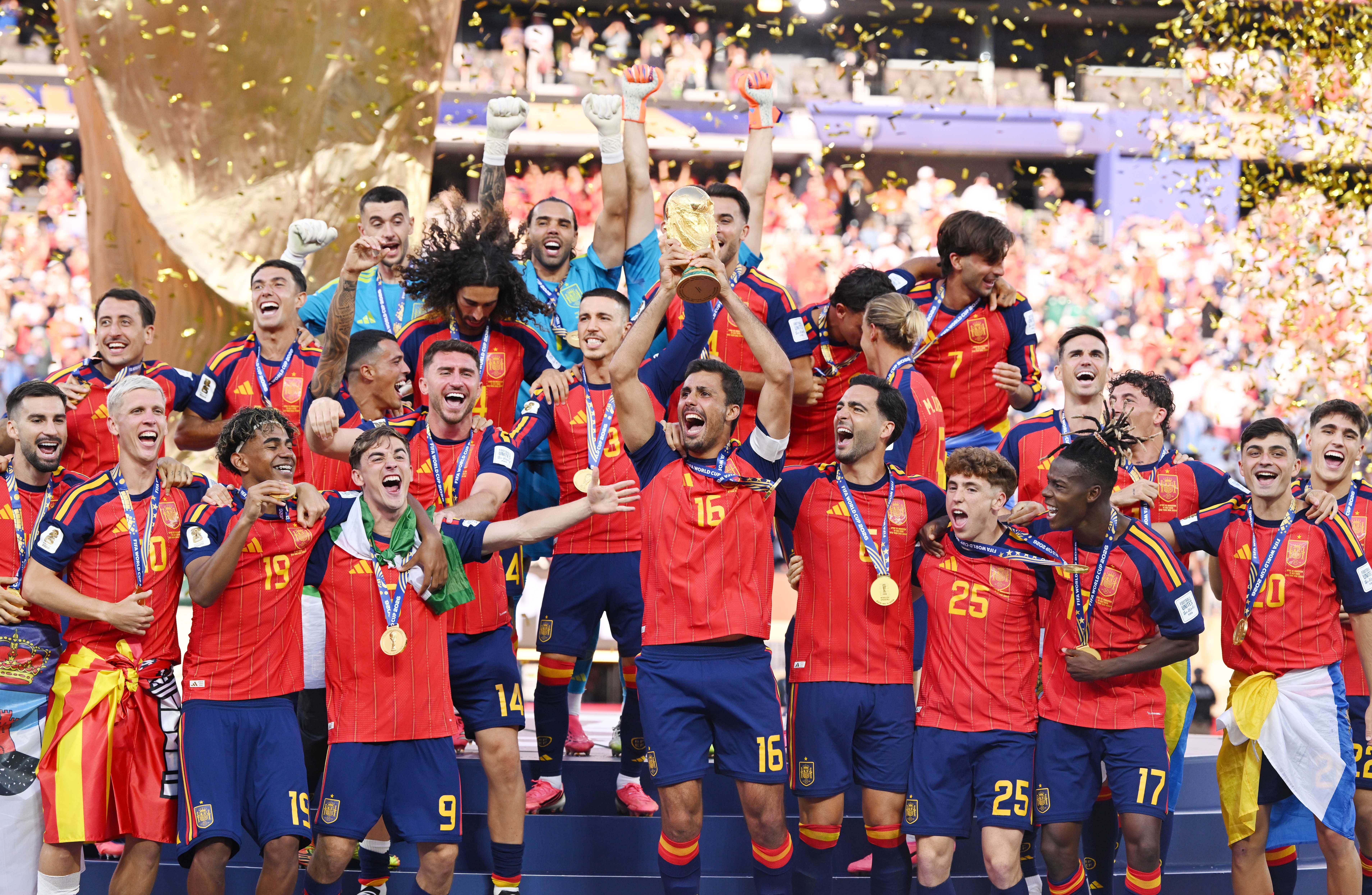
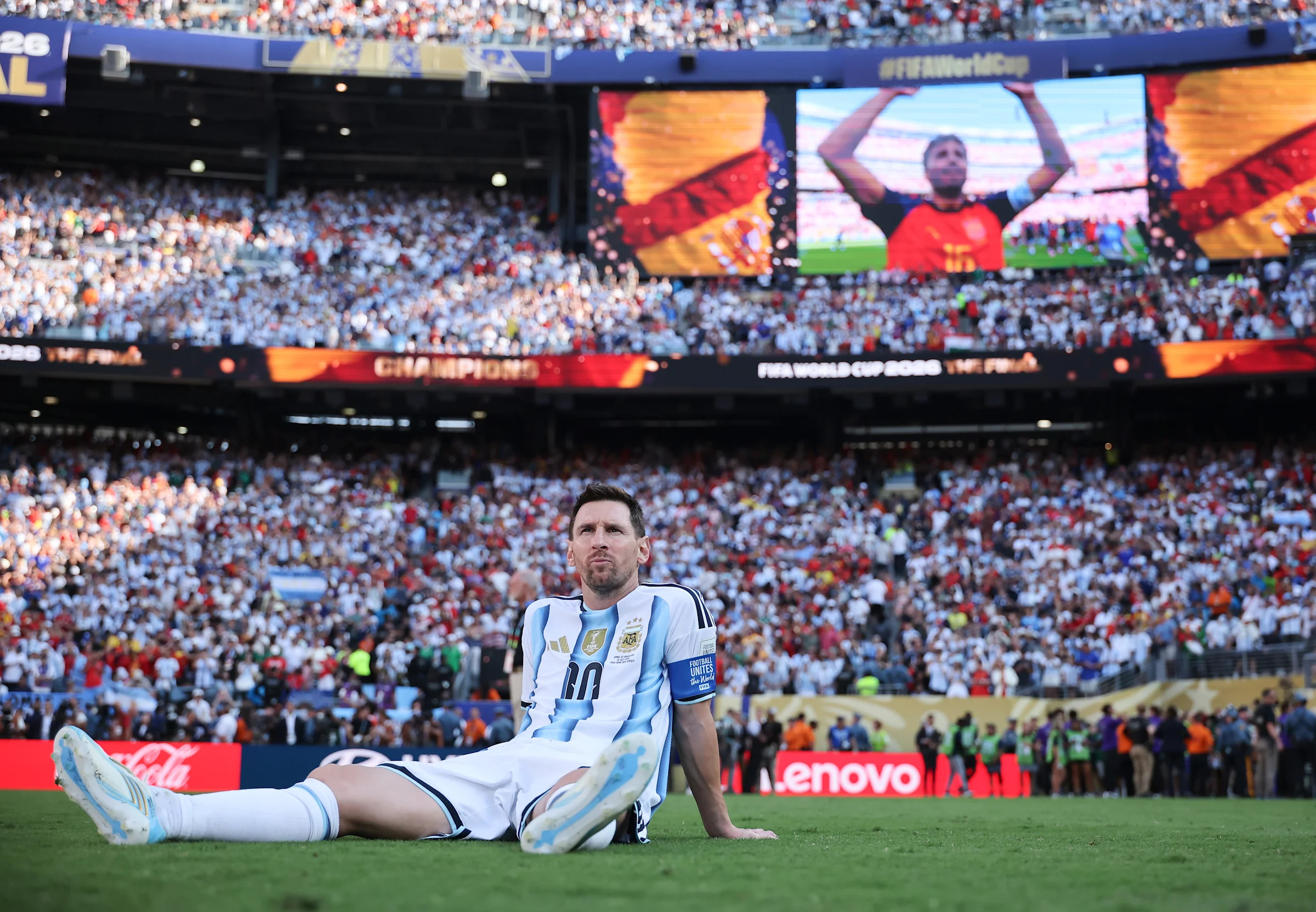
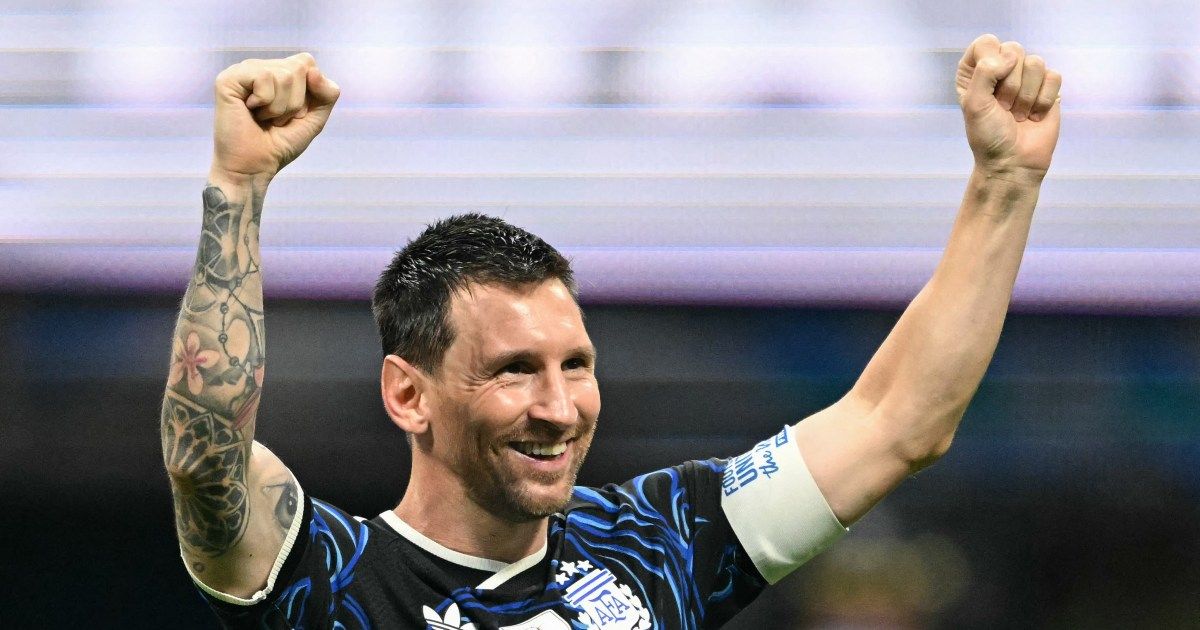
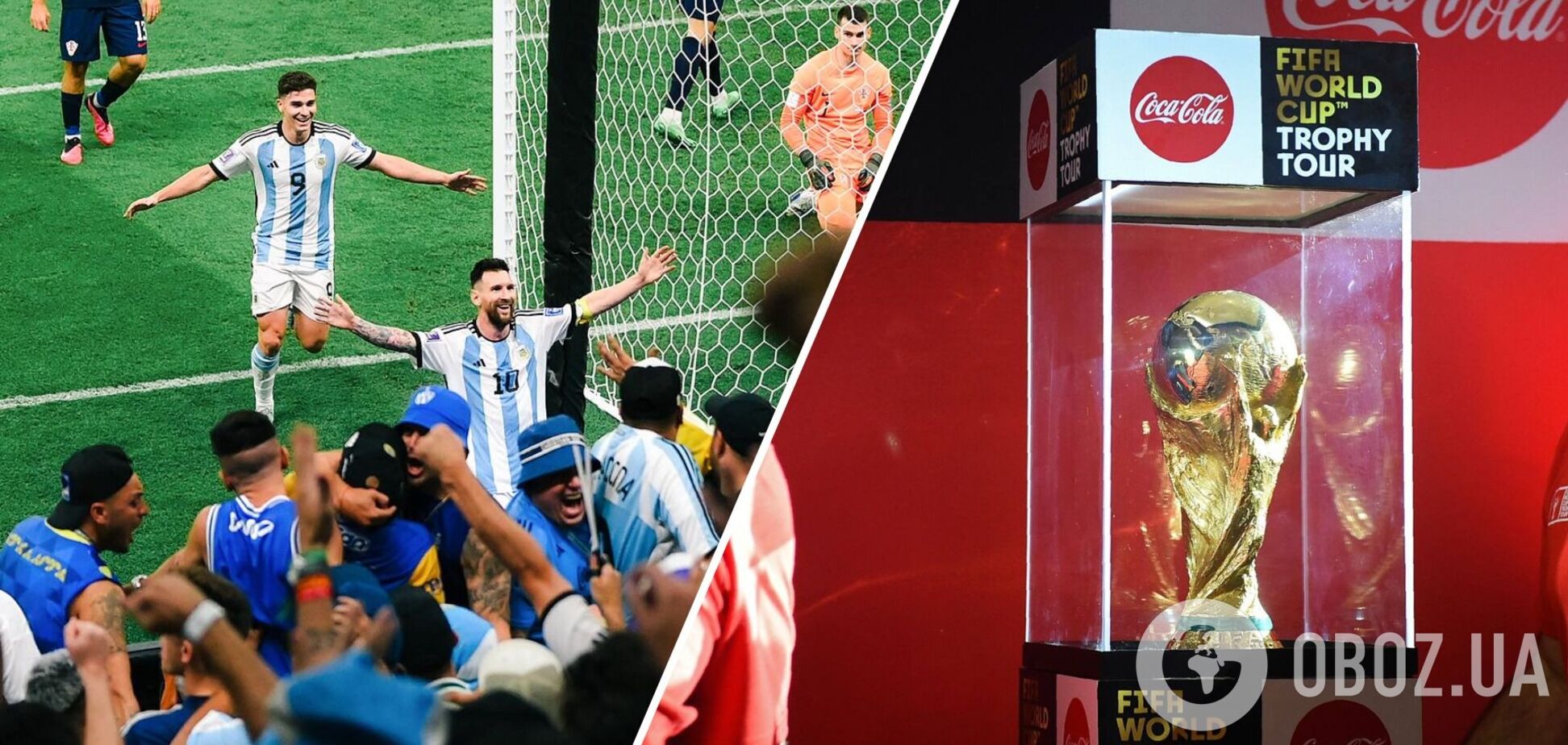
At the tournament level, betting markets paint a clear hierarchy. Spain and France are co-favorites to lift the trophy. Spain are among the strongest favorites in Group H (alongside Uruguay, Saudi Arabia, and Cape Verde), while France top Group I, where Norway — with Erling Haaland — are the main threat to the established order. Brazil are the undisputed leaders of Group C, but on June 13 the Seleção face their toughest group-stage test — against Morocco at MetLife Stadium. Argentina are defending their title in Group J against Algeria, Austria, and Jordan — a relatively comfortable draw for the reigning champions.
Group F also deserves close attention: Netherlands, Sweden, Japan, and Tunisia. The Oranje are the clear favorites, but it is Sweden — the team that kept Ukraine out of this tournament — who will battle Japan for second place, with the Japanese traditionally capable of springing surprises on the big stage.
What to Watch Tomorrow
June 12 is the first truly packed day of the tournament: Canada vs. BiH in Toronto and the USA vs. Paraguay in Los Angeles will give the first real indication of the host nations' level. If both hosts win, the tournament will receive a powerful emotional boost. If not, the intrigue in Groups B and D will begin from the very first round.